The Paper Manufacturers Association of South Africa (PAMSA) is championing the practice of separation-at-source, urging households, schools, and businesses to sort waste before collection to improve recycling efficiency.
In a world increasingly burdened by waste, PAMSA emphasizes the importance of creating a habit of separating recyclables at the source. By categorizing items—such as paper, plastic, glass, metal, and e-waste—alongside organic waste and non-recyclable materials, individuals can significantly reduce the amount of waste that ends up in landfills.
Samantha Choles, Communications Manager at PAMSA, stated, “There are approximately 18.5 million households in South Africa. Imagine the impact if every home started separating recyclables from general waste. Every small action adds up.”
Recent statistics from PAMSA reveal that around 1.3 million tonnes of paper and paper packaging were collected for recycling, from a total of 1.8 million tonnes of recoverable paper waste. This figure includes printing paper and packaging, but excludes items like tissue and toilet paper.
Choles echoed the sentiment of Mahatma Gandhi, reminding individuals of the power they hold in reducing humanity’s impact on the environment. “Be the change you want to see. Every person can play a vital role in waste reduction in their community,” she added.
Here are some practical steps from PAMSA to help enhance paper recycling habits:
Know What Can Be Recycled
It’s essential to understand which paper products can be recycled. Common recyclable items include:
– Office and copy paper
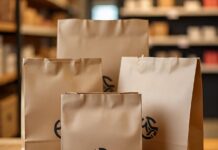
– Brown cardboard boxes
– Grocery and takeaway bags
– Cereal, medicine, and pizza boxes
– Newspapers and magazines
– Egg boxes and moulded fibre cup holders
– Toilet roll and kitchen towel cores
– Used beverage cartons (e.g., milk and juice cartons)
Know What Cannot Be Recycled
On the other hand, certain products, such as tissue and toilet paper, laminated paper, waxed paper, dirty paper plates, and nappies, are not suitable for recycling.
Create Space for Recycling
Set up a designated container for your paper recyclables. Depending on your space, this could be in the kitchen or outside. If kept outdoors, ensure the container is covered. Smaller bins in the bathroom or home office can also help manage paper waste from toilet roll cores or printed documents.
Support Informal Collectors and Local Recycling Initiatives
Consider placing your recyclables in accessible boxes or bags on the pavement for informal collectors, who sell them at buy-back centres, or take your recyclables to local collection points. By doing so, you not only reduce waste but also support livelihoods in your community.
Expand Your Recycling Efforts
Beyond paper, make sure to recycle plastics, cans, and glass. Compost your organic waste, collect bottle tops and bread tags, and even recycle polystyrene, which can be mixed with cement to create lightweight bricks.
By adopting these simple habits, we can all contribute to a cleaner environment and help build a culture of sustainability.