

The 2027 elections are expected to create another major wave of business for Nigeria’s printing industry. Posters, banners, campaign materials, programs, stickers, and other election-related products will keep many presses busy. But for printers thinking beyond the next election cycle, an important question remains: What comes next?
The future of Nigerian printing may not depend solely on printing more copies. It will increasingly depend on finding new markets, adding value, and responding to how businesses and consumers are changing.
Packaging: A Market Getting Bigger
Packaging remains one of the strongest opportunities for printers. As more Nigerian businesses manufacture food, cosmetics, beverages, pharmaceuticals and household products, the demand for cartons, labels, flexible packaging and branded materials will continue to grow.
Small and medium-sized businesses are particularly important. Many need affordable, attractive packaging but cannot order huge quantities. Printers that can offer quality short runs, quick turnaround, and customized solutions can tap into this growing market.
Labels, Personalization and Digital Printing
The modern label is no longer just about displaying a product name. It can carry information, branding, traceability features and digital links. QR codes and other smart packaging technologies are creating new possibilities for printers willing to develop the right skills.
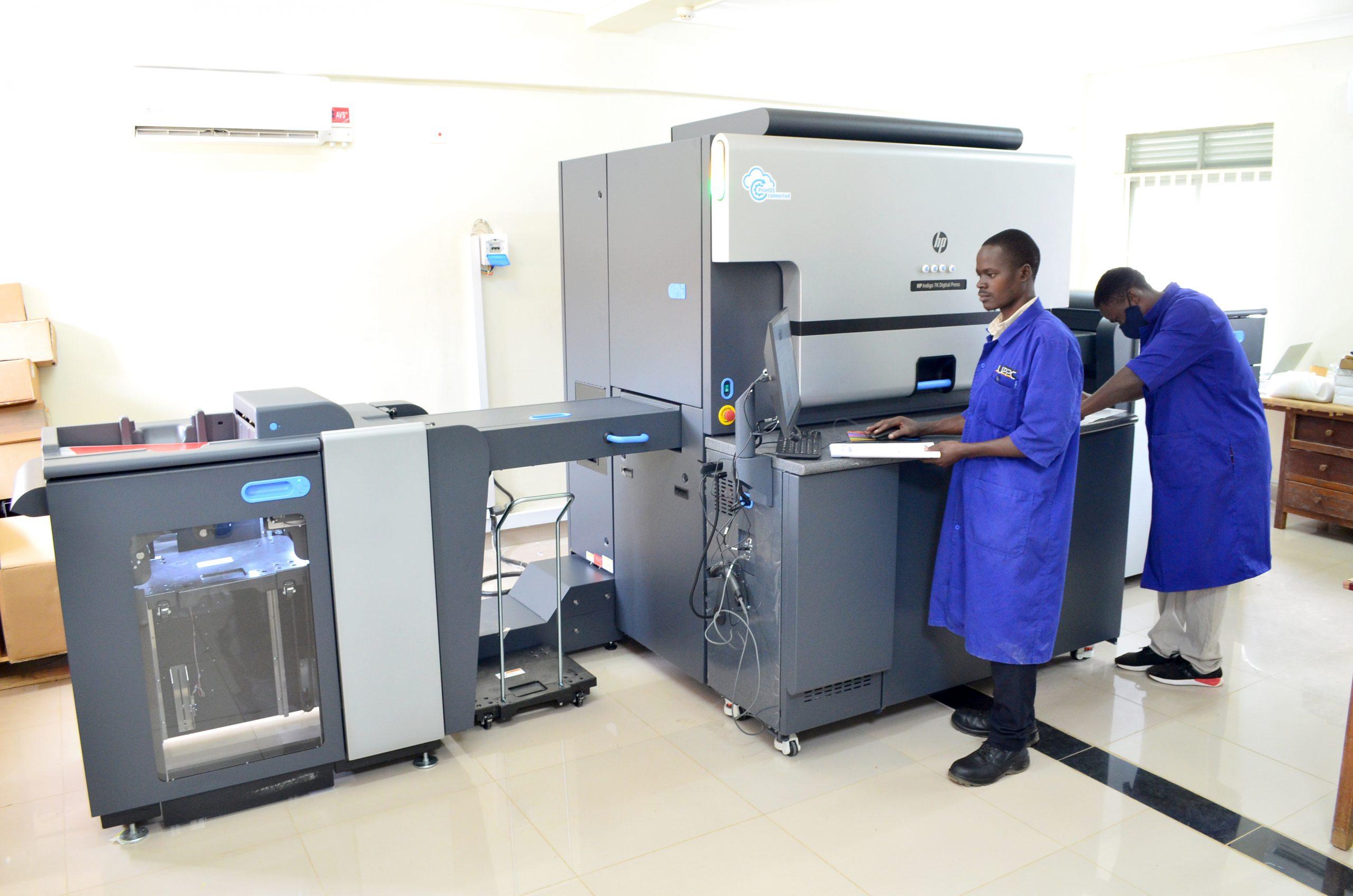
Digital printing is also changing the market. Customers increasingly want smaller quantities, faster production, and personalized materials. From books and labels to promotional materials and packaging prototypes, this creates opportunities that traditional high-volume printing may not always serve efficiently.
Print and Technology Will Work Together
Technology will continue to reshape the industry. Automation, artificial intelligence, digital workflows and modern finishing equipment are already changing how print businesses operate.
But investing in technology should not simply be about buying the latest machine. Printers need to ask whether a new technology will reduce waste, improve production speed, lower costs or allow them to offer services they could not previously provide.
The future will also see stronger connections between print and digital. A printed package can lead customers to a website through a QR code. A brochure can connect to an online catalogue. A printed invitation can become a gateway to digital registration.
The Opportunity Is Beyond the Press
The Nigerian printing industry has survived rising costs, power challenges, expensive materials, and changing customer demands. However, surviving is different from growing.
Beyond 2027, printers need to look beyond election jobs and traditional commercial printing. Packaging, labels, publishing, personalization, finishing, smart packaging and SME services all present opportunities for businesses prepared to adapt.
The next generation of successful printers may not simply be the ones with the biggest presses. They may be the ones that understand their customers better, invest wisely, develop new skills and recognize emerging markets early.
The 2027 election may bring the next big wave of print business. But what printers do after that wave will determine who remains competitive for the years ahead.
The future of Nigerian printing is not just about printing more; it is about finding more reasons for people to print.