

The printing machine is changing. The customer is changing. And the printer must change too.
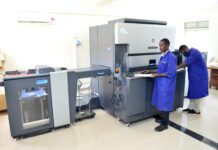
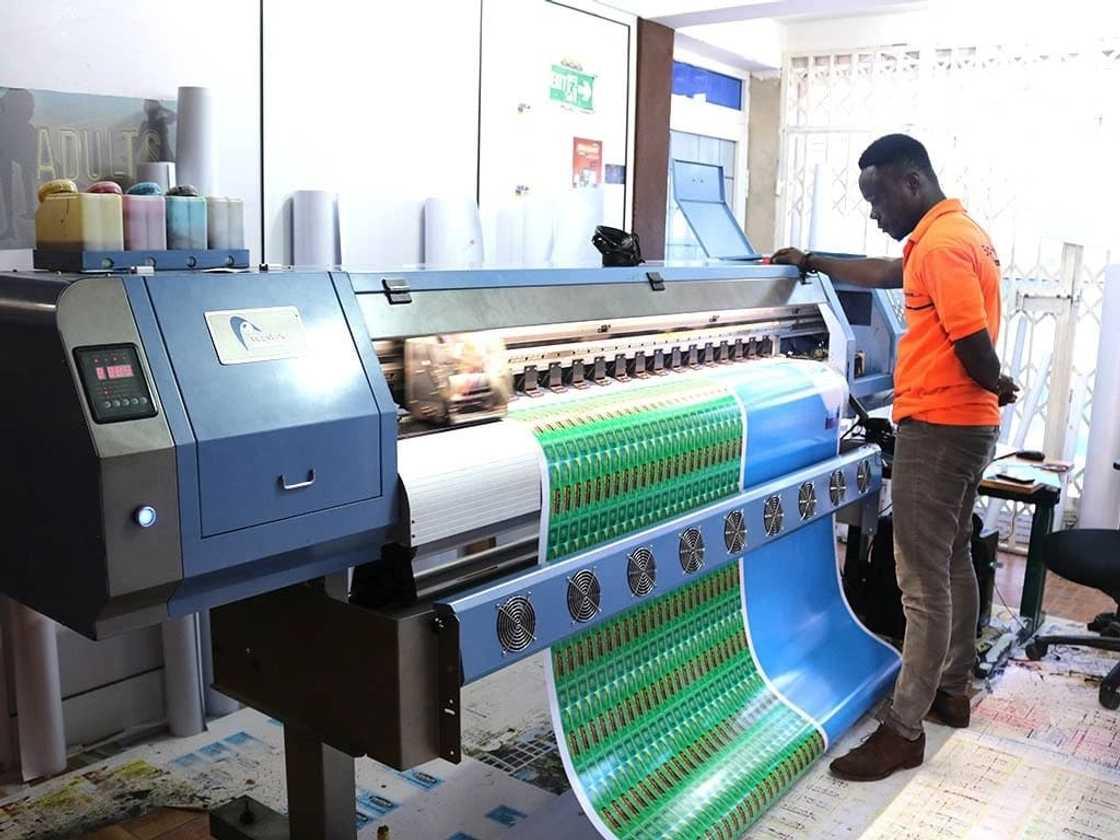
Walk into a modern print shop today and you may notice something different. The familiar sound of machines is still there, but printing is no longer driven by machines alone. Digital workflows, automation, artificial intelligence, advanced finishing, data and new production technologies are gradually changing how print businesses work.
For Nigerian printers, this change presents both a challenge and an opportunity.
The Printer Is No Longer Just a Machine Operator
For decades, printing was largely built around practical experience. A good printer was expected to understand machines, inks, paper, color, and production processes.
Those skills remain important, but today’s printer needs more.
Understanding digital files, workflow systems, color management, variable-data printing and basic automation is becoming increasingly valuable. A printer may now need to communicate with designers, software systems, customers and production equipment in ways that were uncommon in the past.
The industry is moving from “Can you operate the machine?” to “Can you manage the entire production process?”
Technology Is Changing the Job
Automation is gradually taking over repetitive tasks, while digital technologies are making production faster and more precise. Artificial intelligence is also beginning to influence design, content creation, prepress, and workflow management.
This does not necessarily mean that technology will eliminate printers’ jobs.
Instead, it means that the nature of those jobs will change.
The printer who refuses to learn may find it increasingly difficult to compete with someone who can combine technical knowledge with digital skills.
The Rise of the Multi-Skilled Printer
The new printer is becoming more versatile.
He or she may understand prepress, operate digital equipment, troubleshoot production problems, interpret customer requirements, and work with finishing systems.
For business owners, this makes staff training more important than ever.
A new machine can increase production capacity, but without properly trained people, the investment may not deliver its full value.
Young People Have a Role to Play
Nigeria’s printing industry also needs to attract a new generation.
Young people entering the industry today have an opportunity to combine traditional printing knowledge with technology, design, data and digital communication.
Printing should no longer be presented simply as an industry of presses, paper and ink. It is increasingly becoming a combination of manufacturing, technology, creativity and communication.
That broader picture could help the industry attract fresh talent and develop the skills it needs for the future.
Change Is Already Here
The Nigerian printer cannot afford to wait until technology becomes unavoidable before responding.
The question is no longer whether the industry will change. It already is.
The real question is: Who will be ready for the change?
The successful printer of tomorrow may not necessarily own the biggest press or employ the largest workforce. It may be the printer who understands technology, invests in people, embraces new skills, and knows how to use innovation to solve customers’ problems.
The face of Nigerian printing is changing. The smartest printers will change with it.