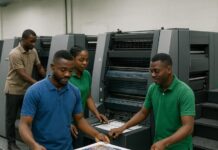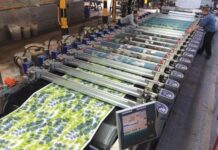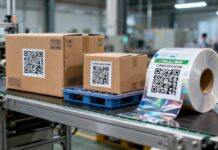


Not too long ago, a typical Nigerian printing press was defined by the rhythmic sound of machines, stacks of paper waiting for production, and skilled operators moving from one stage of the process to another. Orders were received at counters, proofs were physically carried from the office to the production floor, and customer interactions often depended on face-to-face meetings.
Today, that picture is changing.
Across Nigeria, a quiet but powerful transformation is taking place. From Lagos to Aba, Kano to Port Harcourt, progressive printing companies are gradually evolving from traditional pressrooms into digital hubs, businesses powered not just by printing equipment, but by technology, automation, data, and innovation.
The future of printing is no longer arriving. It is already here.
And those who embrace it are positioning themselves for growth in an increasingly competitive marketplace.
More Than Ink and Paper
For years, many people viewed printing as a purely mechanical industry. Once the artwork was designed, the job moved to the press, and production followed a familiar pattern.
However, customer expectations have changed dramatically.
Today’s clients want speed, convenience, customization, transparency, and quality, all at the same time.
A customer sitting in Abuja wants to place an order with a printer in Lagos without visiting the office. A small business owner wants to approve artwork on a smartphone. A marketing agency expects real-time communication and faster delivery timelines.
Technology has made all of this possible.
The modern print business is becoming less about machines alone and more about how effectively technology connects customers, production processes, and business operations.
The printing companies that understand this shift are beginning to outperform those that still operate entirely within traditional models.
The Rise of Digital Printing
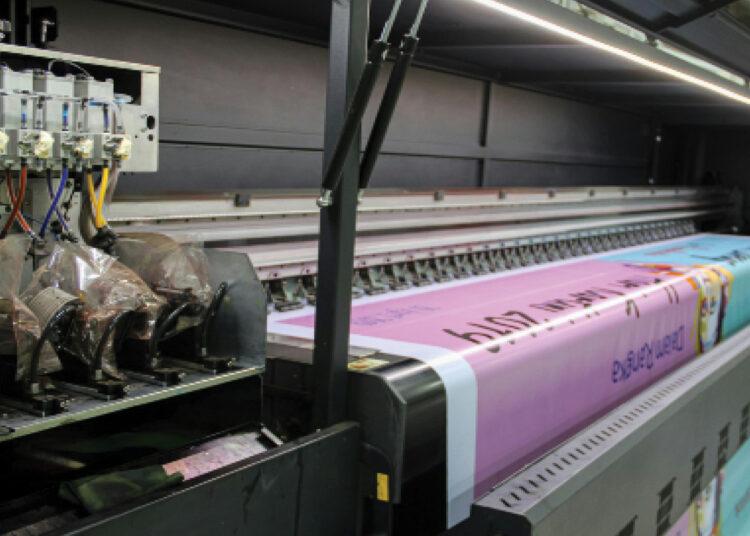
One of the most visible changes in the industry has been the rapid adoption of digital printing technology.
Unlike conventional printing methods that often require extensive setup procedures, digital printing allows shorter runs, faster turnaround times, and personalized production.
For Nigerian businesses operating in a challenging economic environment, this flexibility has become a major advantage.
Customers no longer need to print thousands of copies to make a project viable. They can print what they need, when they need it.
From customized packaging and event materials to branded merchandise and promotional products, digital printing has opened new revenue streams for printers willing to invest in innovation.
More importantly, it has allowed smaller print businesses to compete effectively with larger operators by offering speed, flexibility, and personalization.
Automation Is Changing the Game
Perhaps one of the biggest misconceptions about technology is that it replaces people.
In reality, technology often makes people more productive.
Across leading print operations worldwide, automation is helping businesses reduce errors, save time, improve consistency, and increase profitability.
Tasks that once required multiple manual processes can now be completed through integrated software systems.
Job tracking, inventory management, production scheduling, invoicing, and customer communication can increasingly be managed through digital platforms.
For Nigerian printers battling rising operational costs, fuel expenses, and tight production deadlines, every minute saved translates directly into improved efficiency and stronger margins.
The printer that automates routine processes gains valuable time to focus on business development, customer service, and innovation.
The New Customer Is Online
One reality is impossible to ignore: today’s customers live online.
Before making purchasing decisions, they search websites, compare service providers, read reviews, and engage on social media.
Yet many print businesses still rely heavily on walk-in traffic and referrals.
This presents both a challenge and an opportunity.
Technology has made it possible for printing companies to reach customers far beyond their immediate locations.
A printer in Mushin can attract clients from Enugu. A packaging company in Ikeja can secure orders from businesses in Kaduna. A print entrepreneur in Aba can market products nationally through digital channels.
The businesses winning in today’s marketplace are increasingly those that combine print expertise with strong digital visibility.
Their websites work. Their social media platforms educate and engage. Their communication is fast and professional.
In many cases, technology has become just as important as the printing equipment itself.
Artificial Intelligence and the Future of Print
Perhaps the most talked-about technology today is Artificial Intelligence (AI).
While some fear that AI may disrupt industries, forward-thinking printers are beginning to see it as a powerful tool rather than a threat.
AI can assist with design concepts, customer service, workflow optimization, content creation, forecasting, and production planning.
Rather than replacing creativity, it can help businesses work smarter and respond more quickly to customer needs.
Printers who learn to integrate these tools into their operations will likely gain significant advantages over competitors who ignore them.
Just as desktop publishing transformed printing decades ago, AI may become one of the next major forces shaping the industry’s future.
A New Generation of Print Entrepreneurs
Technology is also changing who enters the printing business.
Many young Nigerians who might never have considered a career in printing are discovering opportunities through digital design, branding, packaging, e-commerce, and online marketing.
For them, printing is no longer simply about operating a machine.
It is about solving business problems.
It is about helping brands communicate.
It is about turning creative ideas into physical products that consumers can touch, feel, and remember.
This shift is helping to attract fresh talent and new perspectives into an industry that has often struggled with an ageing workforce.
The Road Ahead
Nigeria’s printing industry faces undeniable challenges, power shortages, foreign exchange pressures, rising material costs, and intense competition.
Yet within these challenges lies a remarkable opportunity.
Technology is leveling the playing field.
It is helping businesses work faster, reach wider markets, improve efficiency, and create new sources of value.
The most successful print companies of the next decade may not necessarily be those with the largest machines or the biggest factories
They may be the businesses that successfully combine traditional printing expertise with digital innovation.
The industry’s future belongs to those willing to evolve.
The Nigerian print shop is no longer just a place where paper meets ink.
It is becoming a technology-driven hub where creativity meets automation, where physical products meet digital solutions, and where tradition meets transformation.
The presses are still running.
But now, they are connected to something much bigger, a digital future that is redefining what it means to be a printer in Nigeria.