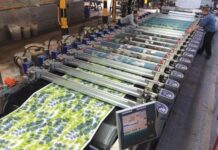


All over the printing industry, a silent transformation is underway. For several decades now, success has always been driven primarily by craftsmanship, machine capability, and client relationships. Today, another force is influencing every part of the print value chain — data. From estimating and planning production to engagement of customers and supply chain management, intelligent data use is transforming how print businesses make decisions, compete, and grow.
Print is no longer just about putting ink on substrate; it is about turning information into operational intelligence.
The Shift from Instinct to Insight
Making decisions in traditional print often relied on intuition and experience. Press operators knew their machines, estimators relied on historical costing patterns, and sales teams built forecasts based on relationships. While these instincts remain valuable, the complexity of modern print markets has introduced new variables:
. Shorter print runs and faster turnaround expectations
. Increased substrate and consumable volatility
. Highly personalized customer demands
. Greater sustainability scrutiny
. Multi-channel marketing integration
Data provides a way to move freely around these complexities with clarity. Printers now have access to insights that reveal inefficiencies, highlight profitable job types, and forecast demand patterns with unprecedented accuracy.
The result is a shift from reactive operations to predictive decision-making.
Where Data Is Transforming Print Operations
Smarter Estimating and Pricing
Data analytics is helping print businesses fine-tune costing models beyond the normal machine time and material usage. Historical job performance, waste ratios, finishing complexity, and client behavior patterns are allowing for more accurate pricing strategies.
This intelligence allows printers to:
. Identify jobs that consistently erode margin
. Adjust pricing structures based on real production realities
. Develop value-based pricing for complex or specialized work
Ultimately, pricing becomes a strategic decision rather than a guess.
Production Intelligence and Workflow Optimization
Connected workflows and machine monitoring systems are providing visibility in real time into production environments. Printers can now track:
. Press utilization rates
. Downtime causes
. Job queue bottlenecks
. Make-ready duration patterns
. Finishing department throughput
These insights help production managers make proactive adjustments that improve scheduling, reduce waste, and enhance delivery reliability.
The modern print floor is gradually evolving into a data-driven manufacturing environment.
Inventory and Supply Chain Decision-Making
Unstable material costs and supply upset have exposed the risks of traditional management inventory approaches. Data-enabled forecasting tools are helping printers strike a balance between overstocking and stock-outs.
Benefits include:
. Better substrate demand forecasting
. Optimized consumable purchasing cycles
. Reduced working capital tied up in inventory
. Improved supplier negotiation leverage
In cost-sensitive markets, this level of precision can significantly influence profitability.
Data and Personalization: The Growth Catalyst
One of the most visible impacts of data in print is the rise of customization. Variable data printing, integrated marketing campaigns, and hyper-targeted packaging solutions rely seriously on data integration.
Brands are asking for print solutions that respond to individual customer behavior, demographic insights, and purchasing triggers. Printers that understand how to harness data become strategic partners in campaign execution rather than mere production vendors.
Customization changes print from a static way into a dynamic communication channel.
Challenges in the Data Journey
The progress toward data-driven printing is definitely not without obstacles:
Fragmented systems: Many print businesses operate with isolated software platforms that limit data integration.
Skills gap: Analytical capabilities are still emerging within traditional print workforce structures.
Data overload: Access to data does not automatically mean actionable insight.
Investment barriers: Technology upgrades require tactical planning and financial commitment.
Talking about these challenges needs a deliberate roadmap that aligns technology adoption with business objectives.
Conclusion: Beyond Ink, Toward Insight
Ink remains a noticeable manner of printing, but intelligence is now becoming its invisible engine. Data is allowing printers to move past traditional production models toward smarter, more responsive, and strategically aligned operations.
Those who accept this shift will not only improve efficiency but also fine-tune their role within the broader communication ecosystem. At a time when decisions must be faster, margins tighter, and customer expectations higher, data offers clarity, confidence, and competitive resilience.
The message is clear: the future of print belongs to businesses that can transform information into intelligent action.