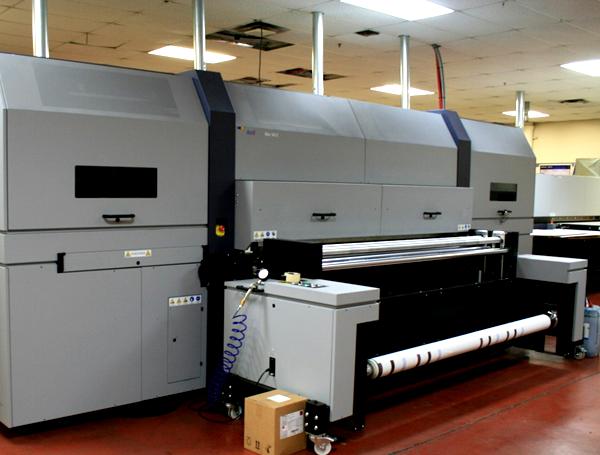


The Nigerian printing industry has always been an industry of resilience. From the noisy pressrooms of Shomolu and Mushin in Lagos to the fast-growing digital print hubs in Abuja, Port Harcourt, Aba, and Kano, printers have continuously adapted to changing realities. Yet, few periods in recent history have tested the survival instincts of the industry like the present moment.
Today, printers are operating in one of the harshest business environments the country has seen in decades. Electricity costs continue to rise. Diesel prices remain unpredictable. The naira’s instability has pushed up the cost of imported paper, plates, inks, and spare parts. Customers are demanding cheaper jobs while production costs continue to climb almost weekly. Across the industry, many small and medium-scale print businesses are struggling to stay afloat.
But in the middle of these challenges lies a powerful opportunity. As Nigeria gradually moves toward the 2027 general elections, the printing industry may once again find itself at the center of one of the country’s biggest economic and political activities. For smart printers, the future may not simply be about survival; it may be about strategic positioning.
The question now is no longer whether the industry is under pressure. The real question is: who is preparing for what comes next?
For many Nigerian printers, electricity has become the single biggest threat to profitability. A printing press without power is simply an expensive warehouse. Whether it is offset printing, flexographic production, large-format printing, or digital presses, power remains the heartbeat of production. Unfortunately, Nigeria’s unstable electricity supply has forced many businesses to rely heavily on generators, thereby increasing operating expenses beyond sustainable levels.
In places like Lagos, some print business owners now spend more on diesel and generator maintenance than on staff salaries. Jobs that once delivered healthy profits now produce little or no margin after fuel costs are deducted. Smaller operators are particularly vulnerable because they lack the financial strength to absorb rising expenses.
The impact goes beyond production alone. Delays caused by power outages affect delivery timelines, damage customer relationships, and reduce confidence in local printing capabilities. Many clients now negotiate aggressively, not because printers are overcharging, but because the wider Nigerian economy itself is under strain.
At the same time, printers are battling another major challenge: import dependency.
Nigeria still depends heavily on imported paper, printing chemicals, inks, and machine components. Every movement in foreign exchange directly affects the industry. The weakening of the naira has made procurement increasingly difficult, especially for businesses without access to stable foreign exchange channels. Some printing companies now buy materials in smaller quantities simply to survive cashflow pressures.
Yet, despite these realities, the industry remains alive because demand for print has not disappeared.
In fact, print is evolving.
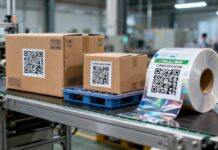
Packaging, branding, labels, security printing, publishing, textile printing, and political campaign materials are all areas showing strong long-term potential. Even in the digital age, physical print continues to hold power because people still trust what they can see and touch. Political campaigns, in particular, still depend heavily on visibility, banners, posters, flyers, branded souvenirs, billboards, vehicle wraps, and promotional materials, which remain central to Nigerian elections.
As political activities slowly begin to build ahead of 2027, opportunities are already forming for prepared printers.
Historically, election periods have always stimulated large-scale printing activities across Nigeria. Political parties, candidates, advocacy groups, and election stakeholders spend billions of naira on publicity and communication materials. From campaign posters in local communities to branded stage backdrops at rallies, the printing industry often experiences a temporary economic boom during election seasons.
However, the printers who benefit the most are rarely those who wait until the last minute.
The businesses that usually win are those who prepare years ahead by upgrading equipment, building strong client relationships, improving finishing quality, strengthening logistics systems, and investing in alternative energy solutions.
This is where repositioning becomes critical.
The future of printing in Nigeria will not belong only to the biggest companies. It will belong to the smartest and most adaptable businesses. Printers who continue operating with outdated business models may struggle, while those embracing innovation may unlock entirely new revenue streams.
One major shift the industry must embrace is energy diversification. Solar-supported production systems, hybrid power solutions, and energy-efficient machinery are no longer luxuries; they are becoming survival tools. While the initial investment may appear expensive, the long-term operational savings can significantly improve profitability.
Collaboration is another area the industry must take seriously. Instead of competing destructively, printers can form stronger production networks, cooperative purchasing systems, and shared logistics arrangements. Collective buying of paper and consumables, for example, can reduce costs and improve bargaining power with suppliers.
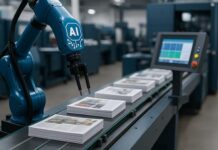
Technology adoption will also shape the next phase of growth. Customers today expect faster turnaround times, better finishing quality, and integrated branding solutions. Print businesses that combine traditional printing with digital services, packaging solutions, and creative branding support will likely gain stronger market positions.
Equally important is professionalism.
As competition intensifies toward the election season, credibility will become a major advantage. Political clients and corporate organizations are increasingly looking for reliable partners capable of delivering large-volume jobs under tight deadlines. Printers who maintain quality standards, transparent pricing, and dependable delivery structures will naturally attract bigger opportunities.
The role of government and industry stakeholders also cannot be ignored. There is a growing need for policies that support local paper production, reduce dependence on imports, and improve access to financing for manufacturing-related businesses. Industry associations must continue pushing for reforms that protect and strengthen local printers.
But beyond policies and politics, the survival of the industry may ultimately depend on mindset.
Nigeria’s printing industry is entering a defining era. The challenges are real, but so are the possibilities. The road to 2027 will demand courage, innovation, and strategic thinking. Those who adapt early may not only survive the storm but also emerge stronger, more competitive, and more profitable than before.
In a business climate shaped by power shortages, political transitions, and economic uncertainty, one truth remains clear: print still matters.
And for Nigerian printers willing to evolve, the future may still be full of power, politics, and profit.