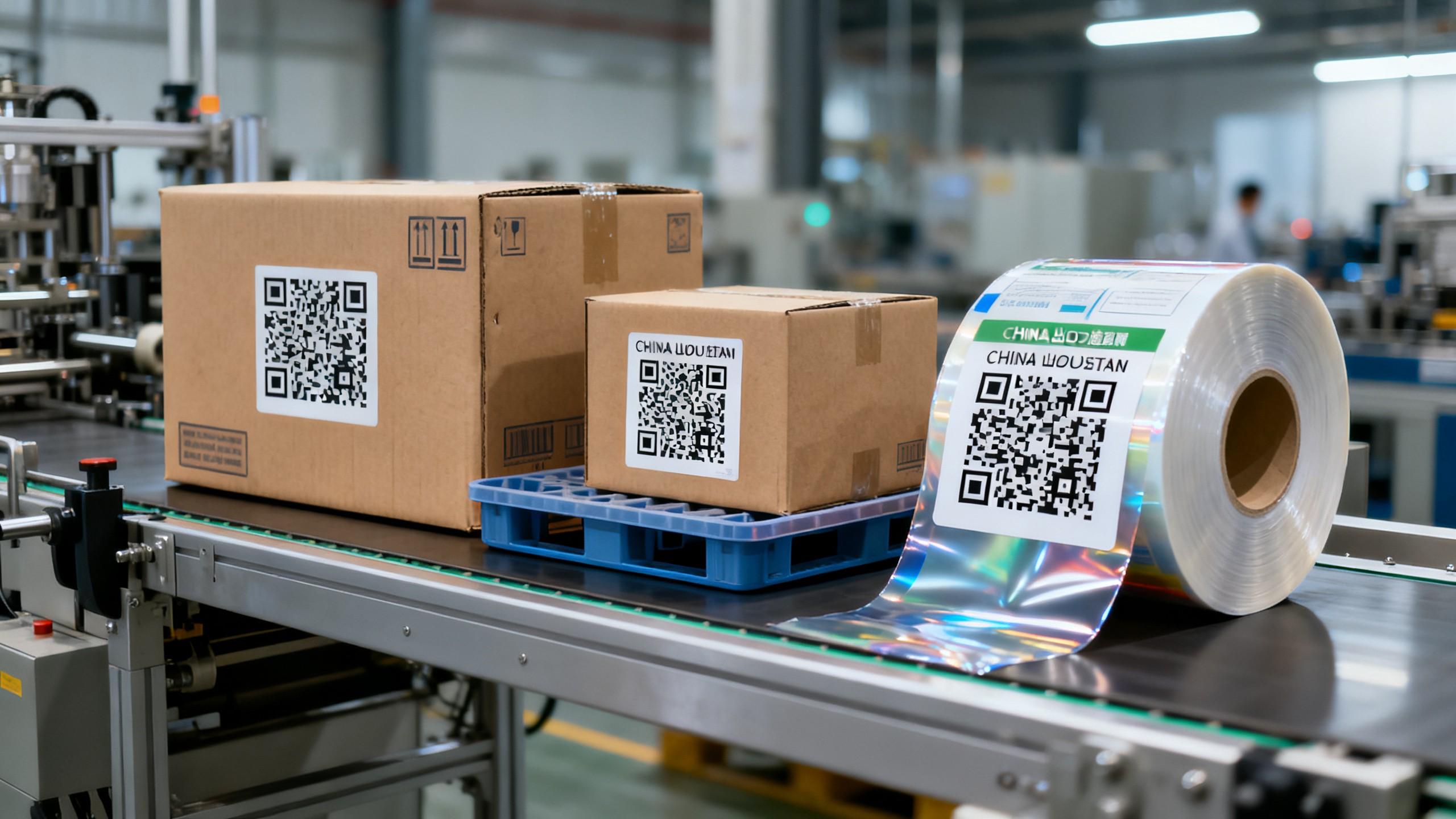


The world of packaging is changing rapidly, and Nigerian printers may soon have to prepare for another major technological shift. For decades, the traditional barcode has been a familiar feature on virtually every product, from food and beverages to pharmaceuticals, cosmetics and household items. But a new generation of smarter and more powerful codes is gradually gaining global attention: the 2D code.
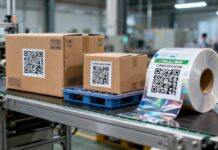
These include advanced QR codes and DataMatrix codes powered by GS1 standards. Unlike the ordinary barcode, which carries limited information, 2D codes can contain much more. They can provide details about a product, its manufacturer, batch number, pricing, supply chain movement, and even connect consumers directly to digital information.
For the Nigerian print and packaging industry, this development presents both an opportunity and a challenge.
More Than Just a QR Code
Many Nigerians are already familiar with QR codes. They are commonly used to direct people to websites, make payments, or access promotional campaigns. However, the new generation of GS1-powered 2D codes goes beyond marketing.
Imagine buying a pharmaceutical product and scanning a code to confirm that it is genuine. A consumer could scan a food package to obtain information about its ingredients, manufacturing date or source. A beverage company could use the same code to connect consumers to a promotional campaign, loyalty programme or recycling information.
This is where packaging is heading globally. Packaging is no longer just about protecting and displaying a product. It is gradually becoming a digital communication tool between manufacturers, retailers and consumers.
For Nigerian manufacturers, this could also become useful in tackling product counterfeiting and improving product traceability. For printers and packaging converters, however, it means they must develop the ability to print these codes accurately and ensure that they work properly when scanned.
Static or Variable Codes: The Difference Matters
Not all 2D codes are produced in the same way.
Some brands may use static codes containing fixed information. These codes remain the same on every package and can be printed in large quantities using conventional or digital printing processes.
Variable and serialized codes, however, are more complex. They may contain unique information for every product, such as batch numbers, serial numbers, or individual product identities.
This is particularly important for industries such as pharmaceuticals, food, beverages and cosmetics, where product authentication and traceability are becoming increasingly valuable.
Producing millions of packages with different codes requires advanced digital printing and variable data capabilities. In some cases, printers may combine conventional printing with digital technology. The packaging design may be printed first, while a digital inkjet system later adds unique codes, numbers, or other product information.
For Nigerian printing companies, this creates a major opportunity. Companies that invest in digital printing, data management and serialization technology could become more valuable partners to major manufacturers and brand owners.
Printing the Code Is Not Enough
One of the biggest challenges with 2D codes is ensuring that they can actually be scanned.
A code may look perfectly fine to the human eye but still fail when scanned by a machine or smartphone. Poor print quality, excessive ink spread, weak contrast, poor ink adhesion, and improper drying can all affect code readability.
The packaging material itself can also create problems. Glossy or reflective surfaces may cause glare, while colored backgrounds may reduce the contrast required for easy scanning.
This means printers must pay closer attention to quality control.
A code must work whether it is scanned in a supermarket, warehouse, retail store or by a consumer using a smartphone. If the code fails, it can affect the consumer’s confidence in the product and damage the reputation of both the brand owner and the packaging supplier.
For this reason, code verification technology is becoming increasingly important.
Special cameras and vision systems can examine printed codes and identify those that may fail during scanning. These systems can also grade the quality of the codes and provide reports showing that they meet required standards.
The future of packaging printing, therefore, will not simply be about producing attractive labels and cartons. It will also be about proving that every printed code performs as expected.
A New Opportunity for Nigerian Printers
Nigeria continues to battle counterfeit and substandard products across several sectors, especially pharmaceuticals, cosmetics and consumer goods. Properly implemented 2D codes could provide manufacturers with another tool for product authentication and supply chain monitoring.
Unique codes can help manufacturers trace products and identify suspicious or counterfeit items. Consumers may also be able to interact directly with brands by scanning a package.
This could open a new market for Nigerian packaging printers and converters.
Rather than being seen only as suppliers of labels, cartons and flexible packaging, printers could become technology partners helping manufacturers manage product identification, authentication and traceability.
However, this will require investment, not only in equipment but also in people.
The industry will need more professionals who understand digital printing, variable data, software integration, databases and code verification. The printing factory of the future may increasingly bring together printing professionals, IT specialists and automation experts.
Communication Will Be Critical
The successful use of 2D codes will also depend on strong communication between printers and brand owners.
Questions such as who generates the codes, who manages the database, who takes responsibility for duplicate codes and how defective products are handled must be clearly defined.
Printers must therefore understand their customers’ plans and not wait until a major client suddenly demands a new solution.
The companies that begin preparing early will have a significant advantage. They can assess their existing equipment, identify areas for improvement, and gradually invest in technologies that support digital and variable data printing.
The Future Is Intelligent Packaging
The growing interest in GS1-powered 2D codes is part of a larger transformation taking place in the global packaging industry. Packaging is becoming smarter, more connected and more interactive. A simple product label can now provide product information, support anti-counterfeiting efforts, improve supply chain visibility and connect consumers directly with a brand. For the Nigerian print industry, this represents an opportunity to move beyond traditional printing services.
The printer of tomorrow may not simply print a carton or label. The printer may provide intelligent packaging solutions that help manufacturers connect physical products with the digital world.
The transition to 2D codes may still be in its early stages in Nigeria, but global trends eventually find their way into local markets. Multinational companies, export manufacturers and major retailers will increasingly demand packaging that meets international standards.
The message for Nigerian printers is clear: the future is coming, and preparation must begin now.
Companies that understand the technology, improve their print quality, invest in digital capabilities and develop expertise in code verification will be better positioned to benefit from the next major opportunity in packaging.
The small square code on a package may look simple, but for the Nigerian print industry, it could represent the beginning of a much bigger digital transformation.