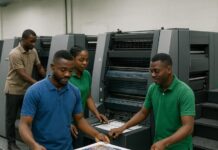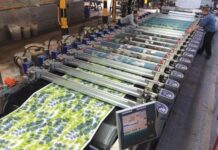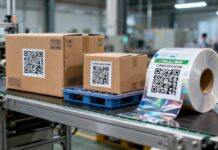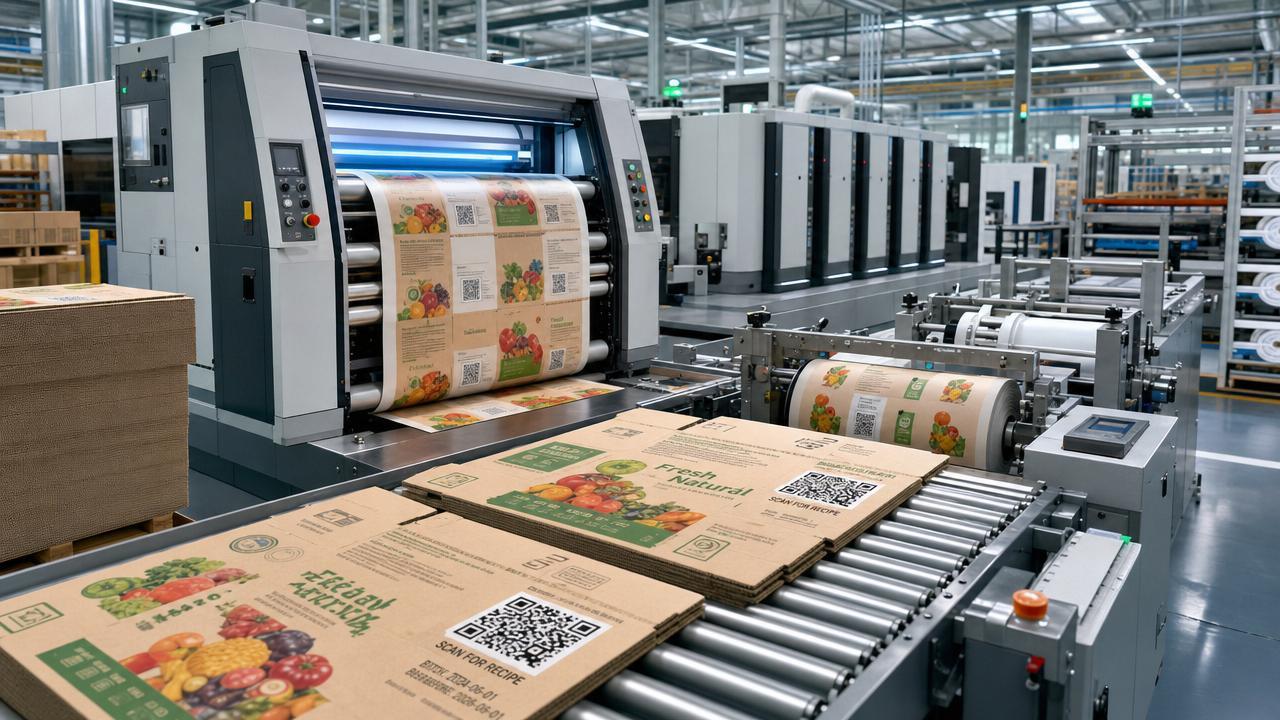


For many years, the Nigerian printing industry has been largely associated with books, newspapers, brochures, calendars, posters, banners, and other commercial printing materials. These traditional areas have sustained thousands of printing businesses and provided jobs across the country. However, the industry is gradually changing, and a new opportunity is becoming impossible to ignore: packaging.
From the sachet of seasoning in a neighborhood shop to a bottle of medicine, a carton of cereal, a cosmetics container, or the delivery box arriving at a customer’s doorstep, packaging has become an essential part of modern life. Virtually every manufactured product needs to be packaged, labelled, identified, and presented before it reaches the final consumer. This reality is creating what could become one of the biggest growth opportunities for Nigeria’s printing industry.
Recent industry discussions have increasingly identified packaging, labelling and industrial printing as major growth areas for Nigeria, driven by growing manufacturing activities and increasing demand for food, beverages, pharmaceuticals, cosmetics and other consumer goods.
A Market That Never Stops Moving
Unlike books or election posters, which may be printed at specific periods, packaging is part of an everyday production cycle. Nigerians buy food, drinks, medicines, toiletries and household products every day. Every one of these products requires some form of packaging.
Nigeria’s large and growing population, combined with increasing urbanization and consumer demand, means manufacturers will continue to require cartons, labels, flexible packaging, corrugated boxes and other printed materials. The packaging market is therefore directly connected to the growth of manufacturing.
This presents a major advantage for printers. While digital technology has reduced demand for some traditional print products, it cannot replace physical packaging. A consumer may read a newspaper online, but a bottle of drink, pack of biscuits, or pharmaceutical product still needs a physical package.
That is why many industry experts are beginning to describe packaging as the future growth frontier of printing.
The Opportunity Goes Beyond Big Packaging Companies
One common misconception is that packaging is only for large multinational companies with billion-naira factories. While large-scale flexible packaging and carton production require significant investment, there are opportunities across different levels of the market.
Small and medium-sized printing companies can explore label production, customized cartons, short-run packaging, stickers, product sleeves, and digitally printed packages. The growing number of small businesses in food processing, cosmetics, fashion, agriculture and personal care is creating demand for affordable, attractive and professionally produced packaging.
Today, many Nigerian entrepreneurs are producing local foods, skincare products, beverages and consumer goods. They may not need one million packages at a time, but they still need quality labels and cartons that can compete on supermarket shelves.
This is where digital printing can play an important role by allowing printers to produce shorter runs, faster turnaround, and customized packaging without the high setup costs associated with some traditional printing processes.
Packaging Is Also About Branding
In today’s competitive marketplace, packaging is no longer just a protective covering. It is a silent salesperson.
Before a consumer tastes a product, they often see the package first. The color, design, label quality, and finishing can influence whether a product is picked from the shelf or ignored.
For Nigerian brands competing with imported and established products, attractive packaging has become a powerful business tool. This means printers and packaging converters must begin to see themselves as part of the branding and marketing value chain.
The future printing company may therefore need to offer more than ink on paper. Customers will increasingly demand advice on materials, finishing, sustainability, labelling and how packaging can improve product appeal.
Technology Will Determine the Winners
The packaging opportunity will not come without challenges. Nigerian printers still face high costs of equipment, imported raw materials, foreign exchange volatility, energy expenses and limited access to affordable financing.
However, these challenges make efficiency even more important.
Automation, digital printing and improved workflow management can help companies reduce waste, improve turnaround time and increase productivity. The industry is also witnessing growing interest in sustainable packaging, recyclable materials and smart packaging technologies. Recent industry discussions in Nigeria have emphasized that companies that fail to modernize may struggle to remain competitive as consumer expectations and global standards continue to change.
The question for Nigerian printers is not necessarily whether every company should immediately invest in an expensive packaging plant. Rather, businesses should begin by identifying where they can fit into the packaging value chain.
A commercial printer may start with labels. A digital printer may specialize in short-run cartons. A large converter may invest in flexible packaging. Another company may focus on pharmaceutical or security printing.
The Time to Look Beyond Traditional Print Is Now
Nigeria’s printing industry is at an important turning point. Traditional commercial printing will continue to exist, but relying solely on books, banners, and promotional materials may no longer be enough for sustainable growth.
Packaging offers something different: a connection to industries that produce and sell goods every day.
As long as Nigerians eat, drink, take medicines, use cosmetics and buy consumer products, packaging will remain necessary. As manufacturing expands, the demand for better packaging and labelling will also grow.
For printers willing to invest, learn and diversify, this could be the next big chapter in the Nigerian printing story.
The future may not belong only to the printer who produces the biggest banner or the most colorful brochure. It may belong to the printer who understands that every product on the shelf is also a printing opportunity.
Beyond books and banners lies a much larger market, and Nigerian printers who position themselves today may be the ones who benefit most from the packaging revolution tomorrow.