

Packaging is no longer simply the thing that holds the product. For today’s food and beverage brands, it is part of the product itself, shaping first impressions, protecting quality, telling a story and increasingly proving that a brand understands sustainability.
That shift is becoming visible globally as fine food and beverage packaging is redesigned around lighter materials, recyclable structures, premium finishes and smart technologies. From moulded-fibre boxes and lighter glass bottles to NFC-enabled spirits, traceable labels and digitally connected packaging, the message is clear: the future of packaging is about doing more with less.
For Nigeria’s growing food and beverage industry, this is a conversation worth having.
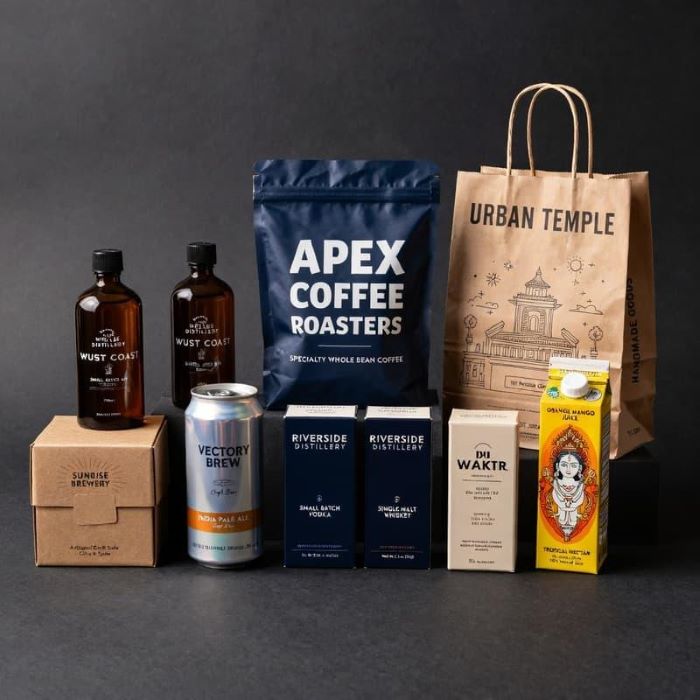
Walk through a supermarket in Lagos, Abuja or Port Harcourt, and the competition for consumer attention is obvious. Nigerian chocolates, beverages, spices, honey, snacks, wines, spirits and other locally produced products are increasingly competing not only on taste and price, but on presentation. For a premium product, the package is often the first salesperson.
But the new premium package cannot only look good. It must also respond to Nigeria’s realities.
Sustainability Meets Local Reality
Globally, packaging manufacturers are reducing material use through lightweighting, recyclable paper-based solutions and increased recycled content. Some glass packaging developers, for instance, are reducing bottle weight while maintaining strength and shelf appeal, while paper specialists are replacing heavier structures with molded fiber alternatives.
For Nigeria, lightweighting has a practical advantage beyond sustainability. Less packaging weight can mean lower transportation demands and potentially lower logistics costs, an important consideration in a market where moving products from manufacturers to distributors and retailers can be expensive.
However, sustainability cannot stop at putting a “green” message on a label. Nigerian brands need to consider what happens to packaging after consumption. A recyclable package delivers its greatest benefit when collection, sorting and recycling systems are available to support it.
The Premium Finish Is Evolving
Sustainable packaging does not have to look ordinary.
Advances in finishing technologies are making it possible to achieve sophisticated metallic effects, embossing, tactile surfaces and other premium finishes while reducing the materials used in decoration.
This creates an opportunity for Nigerian printers and converters. As local brands move into premium markets, they will need packaging that catches the eye without unnecessarily increasing material consumption.
The challenge is no longer simply producing beautiful packaging. It is producing beautiful packaging intelligently.
From Label to Digital Identity
Perhaps one of the most exciting changes is the arrival of connected packaging.
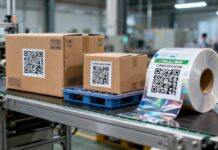
A bottle can now carry a QR code, NFC feature, or unique serial number that allows consumers to verify its authenticity and access information about its origin. For Nigerian beverage brands, particularly premium spirits and locally produced specialty products, this could become a powerful weapon against counterfeiting.
Imagine buying a premium Nigerian spirit and scanning the bottle before opening it to confirm that it is genuine, learn where it was produced, and discover the story behind the brand.
The package has suddenly become more than a container.
It has become a passport, storyteller, and security feature.
Digital product identities are also becoming increasingly important in international markets, where brands are being pushed towards greater transparency around materials, sustainability and product provenance. Nigerian companies targeting export markets should therefore begin paying attention to these developments now rather than waiting until new requirements become unavoidable.
An Opportunity for Nigerian Printers
This transformation also changes the role of the printing and packaging industry.
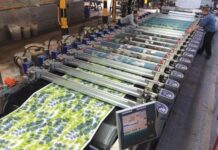
The printer of tomorrow will increasingly need to understand variable data, smart labels, QR codes, authentication, sustainable substrates and advanced finishing, not just conventional print production.
That creates an opportunity for Nigerian printers to move up the value chain.
Instead of competing only on the price of a label, carton or bottle decoration, they can help brands develop packaging that sells, protects, authenticates and connects with consumers.
For Nigerian food and beverage manufacturers, the opportunity is equally significant. The country has no shortage of products with strong stories, from cocoa and coffee to honey, spices, indigenous beverages and premium spirits. What is needed is packaging capable of presenting those stories at the standard of the markets they want to enter.
The global packaging industry is showing us where things are heading: lighter materials, smarter technology, better traceability and sustainability backed by measurable action.
Nigeria does not need to copy every international trend. It needs to adapt the best ideas to its own market realities.
Because the next generation of Nigerian food and beverage brands will not win consumers simply because the product tastes good.
They will win because the package makes a promise, and gives the consumer every reason to believe it.