

Packaging is no longer just about putting a product inside a bottle, carton, pouch, or wrapper and making sure it gets to the consumer safely. Today, packaging has become an important part of a brand’s identity, marketing strategy, and environmental responsibility.
Across the world, governments are putting greater pressure on companies to take responsibility for the packaging they introduce into the market. This is driving brands to rethink what materials they use, how much packaging they need and, importantly, what happens to that packaging after the consumer is done with it.
For Nigerian brands and packaging companies, this global shift is becoming increasingly relevant. As conversations around plastic waste, recycling, Extended Producer Responsibility (EPR), and sustainable packaging continue to grow in Nigeria, manufacturers, printers, and packaging converters will need to understand not only how to produce attractive packaging, but also how to produce packaging that can be recycled, reused, or responsibly disposed of.
Recycling Is Becoming a Business Priority
Extended Producer Responsibility, commonly known as EPR, is gaining ground around the world. The principle is straightforward: companies that put packaging into the market are expected to take greater responsibility for the environmental impact of that packaging.
In practical terms, this means that brands can no longer look only at the appearance, strength or cost of their packaging. They increasingly have to ask questions such as: Can this package be recycled? Is it made from materials that recycling facilities can handle? Can different components be easily separated? Does the ink, adhesive, label or coating make recycling more difficult?
These questions are particularly important as Nigeria continues to strengthen its own environmental and waste-management policies.
The Nigerian packaging industry therefore needs to pay attention to what is happening internationally. Many Nigerian companies supply products to multinational brands or export into markets where environmental requirements are already becoming stricter. What may appear to be a foreign regulation today can eventually become a requirement for Nigerian suppliers tomorrow.
Sustainability Can Also Affect Cost
One of the biggest changes brought about by EPR is that packaging decisions can increasingly have a direct financial impact on brands.
In countries where EPR schemes are already established, producers may pay fees based on factors such as the weight, quantity, and type of packaging they place on the market. More recyclable materials can attract lower costs or incentives, while packaging that is difficult to recycle can attract higher fees.
The lesson for Nigerian businesses is clear: sustainability is gradually moving from being a corporate social responsibility issue to a business and cost issue.
A packaging material that is cheap to produce today may become more expensive in the future if it attracts environmental charges, creates waste-management problems, or becomes unacceptable in important export markets.
The same applies to printing.
The choice of ink, adhesive, coating, label and substrate can affect the recyclability of the final package. A package may appear recyclable on paper, but poor material combinations or printing choices can make the recycling process more difficult.
This means printers and packaging converters must begin looking beyond the traditional questions of price, speed, and print quality.
Designing Packaging for Recycling
One of the ideas gaining importance globally is “Design for Recyclability.”
Simply put, packaging should be designed with its entire life cycle in mind, from production and use to collection, recycling, or disposal.
For brands, this could mean using materials that are widely accepted in recycling systems, reducing unnecessary packaging, choosing labels that can be easily removed, and selecting inks and adhesives that do not interfere with recycling.
For Nigerian packaging converters and printers, this creates a new opportunity.
Instead of waiting for a brand to bring a finished design and simply asking for a quotation, converters can become part of the design conversation.
A converter who understands substrates, inks, adhesives, coatings, printing processes, and recycling requirements can advise a customer on how to achieve an attractive package without creating unnecessary environmental or regulatory problems.
This could become a major competitive advantage as Nigerian brands become more conscious of sustainability.
Information Will Become Just as Important as Printing
Another important change is the growing importance of packaging information.
In the past, a brand might simply ask a converter to produce 100,000 labels or cartons according to an approved design. Increasingly, however, brands may need detailed information about what went into those materials.
What type of substrate was used? How much does it weigh? What ink was used? What adhesive or coating was applied? Can the material be recycled? Does it comply with relevant environmental requirements?
Packaging suppliers that can provide clear and reliable documentation will therefore have an advantage.
For Nigerian printers and converters, this means keeping proper records of materials, suppliers, substrates, inks and other components used in production. Good documentation can help customers meet sustainability requirements, particularly when they supply multinational companies or export products into markets with stricter packaging regulations.
In other words, the future packaging supplier will not only sell print; they will also provide information and assurance.
Where Digital Printing Comes In
Digital printing is also becoming an important tool in this changing packaging environment.
One of the advantages of digital printing is flexibility. Unlike conventional printing processes, digital presses can economically handle shorter runs and multiple versions of the same packaging.
This can be useful when brands need to produce different packaging versions for different markets, regions, or recycling requirements.
For example, if a particular market requires a specific recycling symbol or regulatory information, a converter can produce a separate version without necessarily having to commit to a huge print run. Digital printing also makes it easier to introduce variable information into packaging.
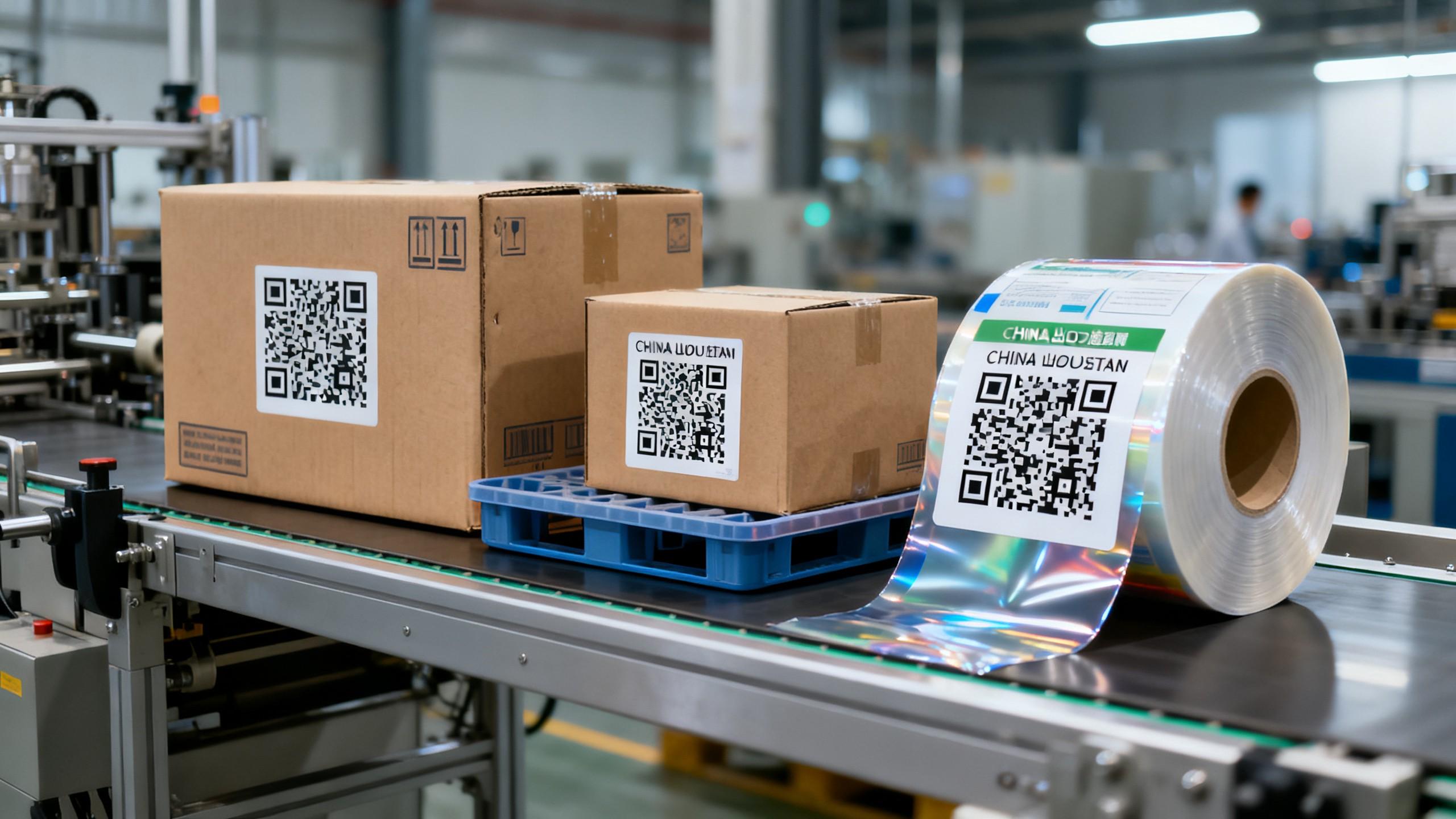
This is becoming increasingly important as the industry moves towards digital product passports and more traceable packaging systems. QR codes and other digital identifiers can allow consumers, regulators and supply-chain partners to access information about a product, including its materials, origin, recycling instructions and compliance information.
For Nigerian printers, this represents another opportunity to move beyond traditional commercial printing and participate in the growing smart-packaging market.
What This Means for Nigerian Printers and Converters
The direction of the global packaging industry is becoming clearer. Packaging will increasingly be judged not only by how attractive it looks on a supermarket shelf, but also by what happens to it after use. Nigerian packaging companies should therefore begin preparing now.
Printers and converters need to develop a better understanding of recyclable substrates, environmentally friendly inks, adhesives, coatings and packaging structures. They also need to improve their ability to provide customers with accurate information about the materials they use. At the same time, brands should begin involving their packaging suppliers much earlier in the product-development process.
Rather than designing packaging first and asking the printer to produce it later, brands can work with converters from the beginning to identify materials and printing solutions that balance cost, appearance, performance, recyclability and compliance.
Preparing for the Future
Sustainability regulations will continue to evolve. Nigeria may not immediately adopt every packaging regulation emerging in Europe or other developed markets, but Nigerian businesses cannot afford to ignore the direction in which the global industry is moving.
Many Nigerian companies already work with international brands, export products, or compete with imported products. As environmental requirements become stricter across global supply chains, those requirements will inevitably influence local businesses.
The packaging industry is therefore entering a new era.
Packaging is becoming more than a protective covering for a product. It is becoming a regulated asset, a marketing tool, a source of environmental responsibility and, increasingly, a carrier of digital information. For Nigerian printers and packaging converters, the message is simple: the businesses that begin preparing for this change today will be better positioned to serve tomorrow’s brands.
The future will belong not only to converters who can print beautifully and deliver on time, but to those who can help their customers produce packaging that is cost-effective, compliant, traceable, and easier to recycle.