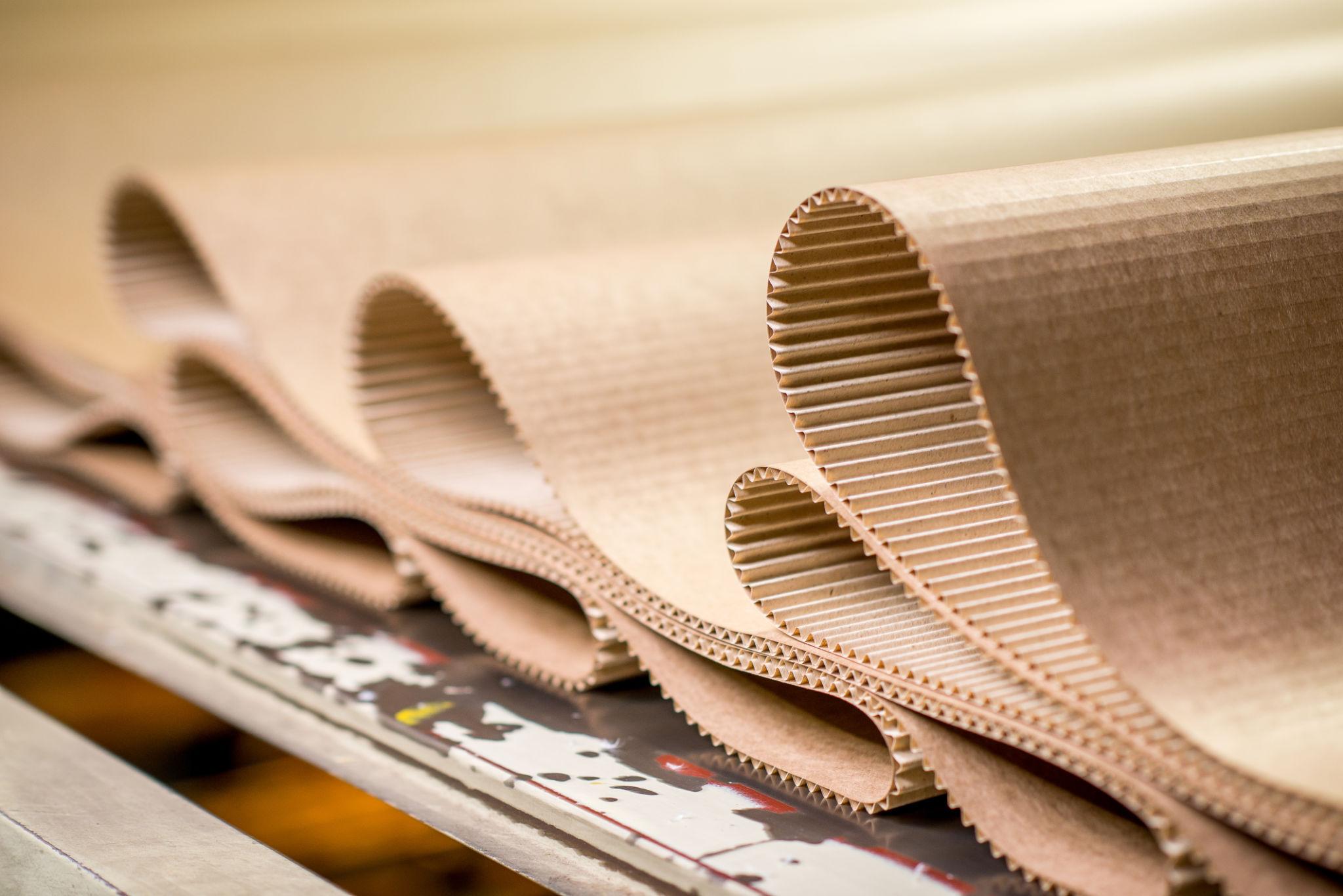


Long before a package reaches the supermarket shelf, a pharmacy counter, or an export container at Apapa Port, its performance has already been determined. The journey starts not with the design or the printing press, but with the raw material itself.
For Nigerian manufacturers, brand owners, converters, and packaging professionals, this reality is becoming increasingly important. In today’s competitive market, packaging is expected to do far more than simply hold a product. It must protect contents during transportation across challenging logistics routes, support efficient production processes, comply with evolving regulations, attract consumers, strengthen brand identity, and, increasingly, contribute to sustainability goals.
Each of these demands is significant on its own. Together, they create a complex balancing act that requires a deeper understanding of packaging materials and performance.
Simply put, every fiber in a paper-based package is being asked to do more than ever before.
The days when packaging decisions could be made solely on appearance or cost are gradually disappearing. Today’s market requires a smarter and more integrated approach. Choosing a more environmentally friendly material, reducing package weight, or redesigning a carton may seem like straightforward solutions, but achieving real value requires understanding how materials, design, production efficiency, functionality, and recyclability work together.
This is where material intelligence becomes critical.
Across the packaging value chain, industry experts increasingly recognize that fiber-based packaging is not merely a material choice; it is part of a larger system. Every decision—from selecting the board grade to determining structural design, printing specifications, production methods, and end-of-life recovery- affects the overall performance of the package.
For customers, the conversation has evolved significantly.
Today, manufacturers are no longer asking only what a package is made from. They want to know how it will perform on high-speed production lines, how it will withstand transportation from Lagos to Kano or from Aba to Abuja, how it will support sustainability commitments, and how well it can adapt to future regulatory requirements.
These questions cannot be answered by looking at materials in isolation.
The challenge is particularly relevant as sustainability regulations and environmental expectations continue to gain momentum globally. Around the world, governments, retailers, and consumers are demanding more circular packaging solutions, while businesses are under pressure to reduce waste and improve recyclability.
Although Nigeria’s regulatory environment is still evolving, local manufacturers are increasingly aligning with international best practices, especially those serving export markets. As a result, packaging solutions that are adaptable and future-ready are becoming more valuable than those designed solely to meet today’s requirements.
Fiber-based packaging is playing a major role in this transition. Paperboard and carton packaging already enjoy strong recycling potential and are increasingly viewed as practical alternatives in many applications. However, sustainability credentials alone are not enough.
A package must still survive transportation challenges, maintain shelf appeal, protect the product, deliver high-quality print performance, and fit seamlessly into existing production systems. Strength, stiffness, printability, barrier protection, weight, and functionality must all work together.
In reality, some packaging materials may appear sustainable on paper but struggle to deliver the required performance in practical applications. Others may be technically recyclable yet face challenges within existing waste collection and recycling systems.
This is where integration becomes essential.
The most successful packaging projects are those where material selection, structural design, printing considerations, production efficiency, and end-of-life management are considered from the very beginning. Rather than treating board as a raw material and packaging as the final output, forward-thinking companies are bringing these elements together to develop solutions that are fit for purpose from day one.
The benefits are substantial.
A more integrated approach can reduce material waste, eliminate costly over-specification, improve production efficiency, strengthen sustainability performance, and help brands respond more effectively to changing market expectations.
For Nigerian businesses navigating rising production costs, supply chain disruptions, foreign exchange pressures, and growing consumer demands, these advantages can make a significant difference.
The future of packaging will not be defined by fiber alone. It will be defined by how intelligently that fiber is selected, engineered, converted, and applied.
As the packaging industry continues to evolve, success will belong to companies that understand the connection between material choice and package performance. Fiber may be the foundation, and functionality may be the outcome, but it is material intelligence that bridges the gap between the two.
In an era where every package must work harder, smarter packaging begins with smarter decisions.