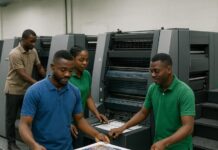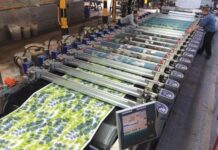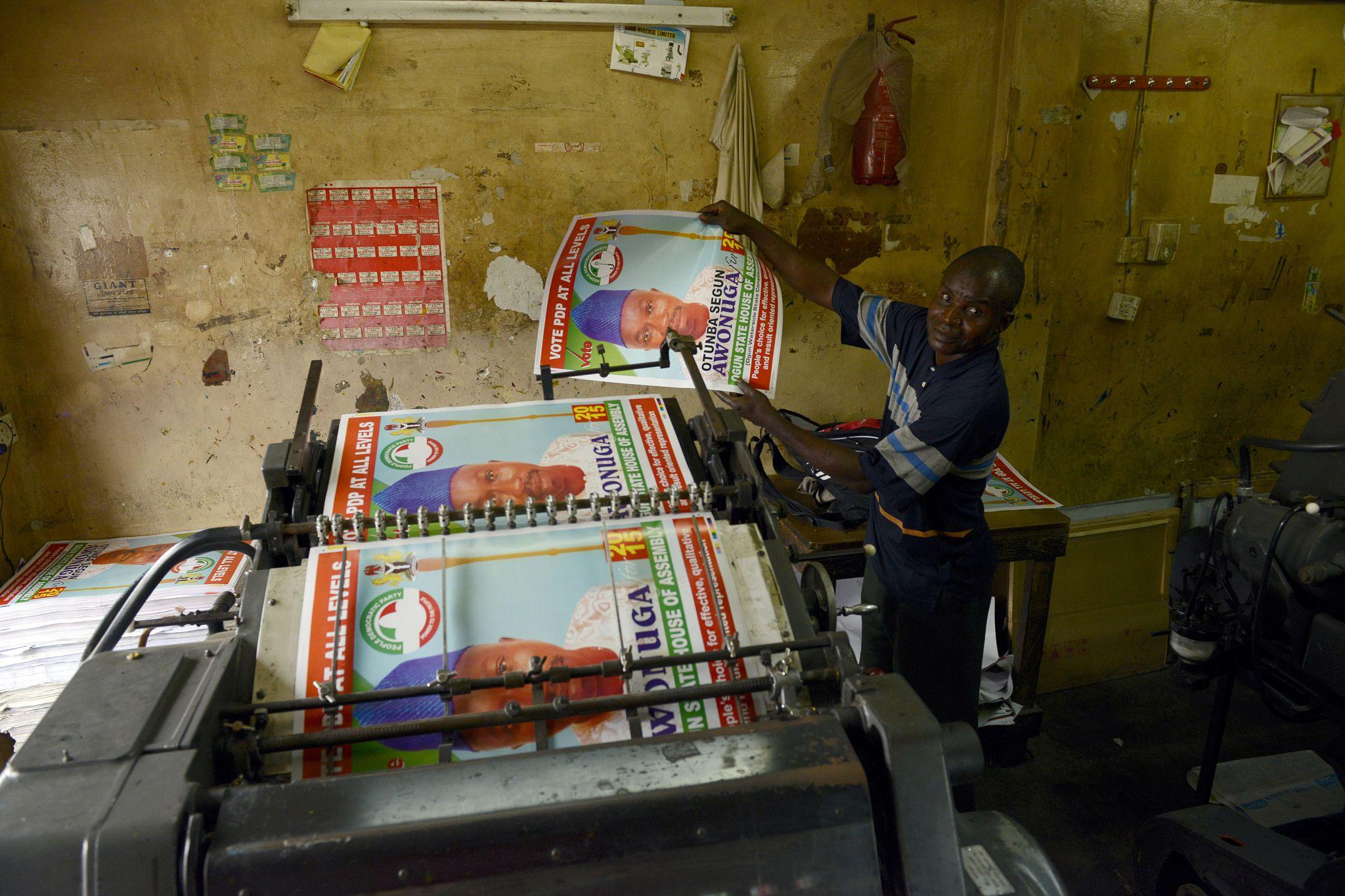


Nigeria’s printing industry is entering another critical political season, one that could either become a period of extraordinary profit or another painful struggle for survival. As conversations around future elections continue to gather momentum across the country, political parties, candidates, advocacy groups, government agencies, NGOs, and campaign organizations are already preparing for what will become one of the biggest demand periods for print production.
From massive campaign billboards on major highways to millions of posters pasted across communities, from branded souvenirs to highly sensitive polling materials, the election season has always been a goldmine for the print industry. Yet, this opportunity is arriving at a difficult time when printers across Nigeria are battling rising diesel prices, unstable electricity supply, expensive machine maintenance, inflation, and increasing production costs.
For many print business owners in Lagos, Abuja, Port Harcourt, Kano, Aba, and other commercial hubs, the biggest challenge is no longer finding customers; it is finding affordable power to stay productive.
Still, despite the darkness created by the nation’s electricity crisis, there remains a major opportunity for printers who are ready to adapt, innovate, and strategically position themselves for the coming election boom.
Elections and Printing: A Business Opportunity Too Big to Ignore
Election seasons naturally create a massive communication war. Every political candidate wants visibility. Every campaign team wants dominance. Every political party wants to control public attention. And in Nigeria, print remains one of the most powerful tools for political communication.
Despite the rise of social media and digital advertising, physical print materials continue to dominate election campaigns because they reach people directly at the grassroots level. Campaign posters on walls, banners at junctions, flyers distributed in markets, branded T-shirts at rallies, and billboards across highways still shape public political awareness.
This creates enormous opportunities for printers in areas such as:
- Campaign posters and banners
- Flex and vinyl printing
- Large-format billboards
- Handbills and flyers
- Vehicle wraps and branding
- Branded caps, shirts, and souvenirs
- Security printing
- Ballot-related materials
- Event stage branding
- Political magazines and newspapers
- Voter education materials
For some printing businesses, election periods can generate enough revenue to sustain operations long after campaigns end. However, the businesses that benefit most are usually the ones that prepare before demand explodes.
The Electricity Crisis: The Silent Enemy of Profit
Unfortunately, while demand for print services continues to rise, electricity remains one of the greatest threats to productivity in the industry.
Across Nigeria, unreliable power supply has forced many print shops to depend almost entirely on diesel and petrol generators. What used to be a manageable operational expense has now become a major financial burden.
Today, many printers spend huge amounts weekly on:
- Diesel and petrol
- Generator repairs
- Equipment maintenance
- Fuel transportation
- Voltage protection systems
The result is shrinking profit margins and rising frustration.
A print job that should normally deliver good profit can suddenly become barely sustainable after accounting for fuel expenses. In some cases, delayed power supply causes missed deadlines, damaged materials, spoiled print runs, and dissatisfied customers.
This becomes even more dangerous during election periods, where timing is everything. Political campaigns operate on urgency. A delayed delivery of campaign materials can ruin rallies, disrupt schedules, and permanently damage client relationships.
In election printing, speed and reliability are just as important as print quality.
How Nigerian Printers Can Position Themselves to Win
Despite the harsh operating environment, there are practical ways printers can remain competitive, profitable, and relevant during the election season.
- Adopt Smarter Energy Solutions
The days of depending solely on generators are becoming financially unsustainable. Forward-thinking print businesses are now exploring alternative energy solutions to reduce operational costs.
Solar-powered inverter systems are gradually becoming more attractive for powering offices, computers, lighting, finishing equipment, and smaller production systems.
While heavy industrial machines may still require generators, reducing fuel dependence for non-heavy operations can significantly lower overall expenses.
Printers should begin considering:
- Solar and inverter systems
- Hybrid power solutions
- Energy-saving machines
- LED lighting systems
- Shared industrial power clusters
- Preventive machine maintenance
The goal is simple: reduce unnecessary power consumption and improve operational efficiency.
- Prepare Before the Election Rush Begins
One major mistake many print businesses make is waiting until campaign activities officially begin before preparing.
By then, material prices may have increased, suppliers may become overwhelmed, and production schedules may already be congested.
Smart printers should start now by:
- Stocking essential materials early
- Servicing machines
- Training staff
- Upgrading workflow systems
- Building relationships with suppliers
- Developing campaign print packages
Preparation gives businesses the ability to negotiate better prices, avoid shortages, and handle larger job volumes effectively.
- Focus on Reliability and Delivery Speed
During election periods, customers are under pressure. Politicians and campaign managers value printers who can deliver quickly without excuses.
Printers who become known for reliability often receive repeat jobs and referrals.
To improve delivery efficiency, businesses should:
- Create structured production schedules
- Improve customer communication
- Build backup production plans
- Maintain standby power options
- Reduce machine downtime through regular maintenance
In election printing, consistency creates trust, and trust creates repeat business.
- Build Strategic Political and Corporate Relationships
The most profitable election printing jobs are rarely won through random walk-in customers. They are secured through relationships and networks.
Printers should actively position themselves by connecting with:
- Political consultants
- Campaign organizations
- Event planners
- Advertising agencies
- NGOs
- Media companies
- Government contractors
Strong networking can open doors to bulk contracts that provide steady revenue throughout the election cycle.
Innovation Will Determine Survival
Nigeria’s print industry is changing rapidly. Rising operational costs are forcing businesses to think differently. The companies that survive and grow will not necessarily be the biggest, but the smartest and most adaptable.
The coming elections present both a challenge and an opportunity.
Yes, electricity remains unstable. Yes, diesel prices continue to rise. Yes, operating costs are painful. But demand for print will also rise significantly as political campaigns intensify.
This is the moment for printers to reposition themselves strategically, improve efficiency, embrace smarter energy alternatives, and strengthen customer relationships.
In many ways, the election season may become more than just a business opportunity; it may become a defining moment for the future of Nigeria’s printing industry.
Those who prepare early, innovate wisely, and operate professionally will not only survive the electricity crisis; they will profit from it.
Even in the middle of power shortages and economic uncertainty, Nigerian printers still have the ability to power democracy — one poster, banner, ballot, and campaign material at a time.