

The Nigerian textile and fashion industry, once a vibrant hub of creativity and commerce, has seen a decline over the years. However, a recent event hosted by the French Embassy’s cultural center in Abuja has sparked new hope for the sector’s revival. The event, titled “Beyond Pixels: Global Innovation Trends & Fashion,” introduced a groundbreaking initiative that could reshape the future of Nigerian fashion using Artificial Intelligence (AI) and Virtual Reality (VR).
At the event, the French Institute of Nigeria unveiled “Astra,” a digital platform designed to empower fashion creators with AI tools to craft innovative designs and test them in virtual stores and through VR experiences. Esteemed panelists, including Zoe Obuh of Dumebi Clothing, Delz Erinle of Astra, and Tomiwa Balogun of Goblin & Coal, discussed the potential of this new venture to revolutionize the fashion industry.
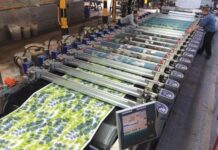
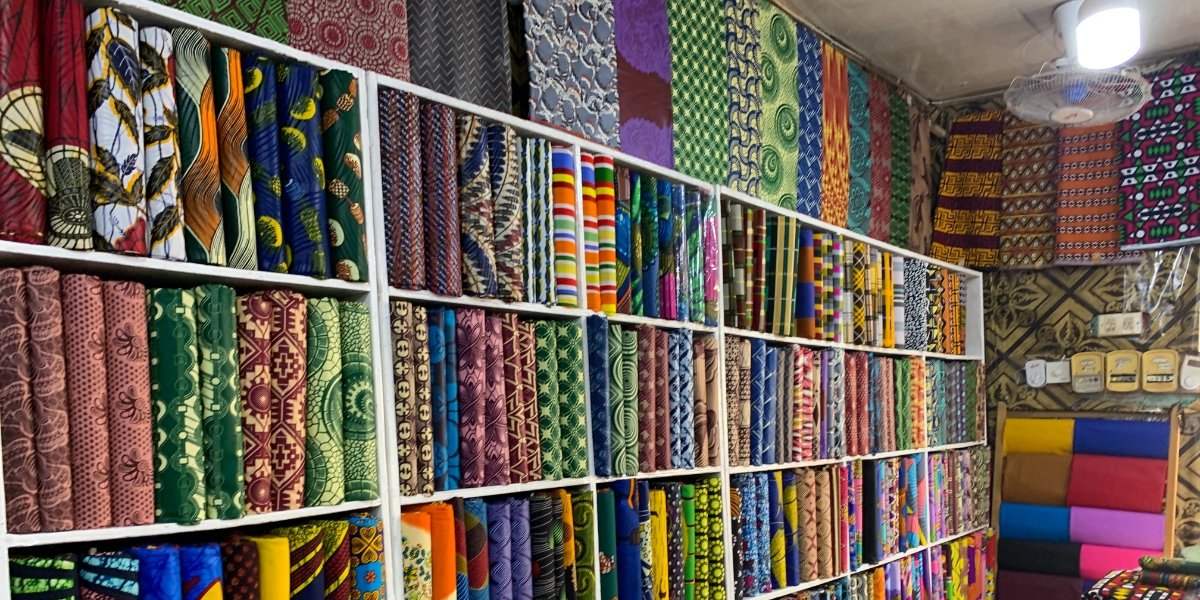
For many attendees, the significance of this event extended beyond the showcase of cutting-edge technology. It was a reminder of Nigeria’s rich history in textile production, particularly in places like Textile Mill Road in Benin City. Once a bustling marketplace known across West Africa, Textile Mill Road was a center of creativity where traders from Togo, Benin Republic, Sierra Leone, and Ghana flocked to buy Nigerian textiles. Unfortunately, this vibrant industry has declined due to shifting government priorities and technological advancements.
In the 1990s, the rise of mass-produced Chinese textiles further eroded Nigeria’s local fashion industry. Chinese manufacturers, using advanced technology, began replicating Nigeria’s traditional lace and adire fabrics, flooding the market with cheaper alternatives. This mirrors the challenges faced by Nigeria’s oil sector, where crude oil is exported and refined products are imported at higher costs.
As the discussion at the French Embassy unfolded, it became clear that AI could be both a challenge and an opportunity for Nigeria’s fashion industry. The panelists emphasized the potential of AI to drive profit by aligning artificial designs with global fashion trends. However, the true potential lies in harnessing AI and VR to elevate Nigeria’s unique and culturally rich designs, such as those from Osun, Benin, Kano, and other creative hubs.
These traditional designs, often rooted in deep spiritual significance, are difficult to replicate and remain largely untapped in the global digital space. By leveraging AI and VR, Nigeria could bring these intricate and authentic designs to a global audience, creating new opportunities for wealth generation and cultural preservation.
As Nigeria navigates the Fourth Industrial Revolution, there is a growing need for stakeholders in the textile and fashion industry to embrace these technologies. The potential to revitalize the industry, support local artisans, and showcase Nigeria’s rich cultural heritage on the world stage is immense. The French Embassy’s event was a step in the right direction, and with continued focus and innovation, Nigeria’s textile industry could once again become a global powerhouse.