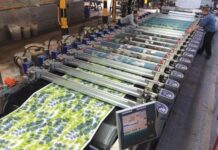
Nigeria’s print and graphic communications industry continues to evolve in response to economic pressures, technological advancement, and shifting client expectations. From commercial printing and packaging to publishing and signage, the sector is redefining its relevance in a market shaped by digital disruption, sustainability demands, and cost volatility. Yet, despite these challenges, the industry has shown remarkable resilience, underpinned by innovation, collaboration, and a renewed focus on value creation.
Operating Environment: Pressures and Adaptation
The past year has tested operators across the print value chain. Rising costs of consumables, energy instability, foreign exchange fluctuations, and logistics challenges have significantly impacted production planning and pricing structures. Many print businesses have had to recalibrate operations—streamlining workflows, renegotiating supplier relationships, and adopting leaner production models.
However, these constraints have also accelerated strategic thinking. Printers are increasingly moving away from volume-driven competition toward quality, specialization, and service differentiation. Short-run, on-demand printing, personalized products, and integrated print solutions are becoming central to business survival and growth.
Technology and Digital Integration
Technology remains a defining factor in the industry’s transition. Digital printing continues to gain ground, particularly for commercial jobs requiring speed, flexibility, and customization. Hybrid workflows—combining offset, digital, and finishing technologies—are enabling printers to meet diverse client needs more efficiently.
Automation in prepress, color management, and finishing is gradually improving turnaround times and reducing waste. While capital investment remains a challenge for many small and medium-sized firms, shared facilities, vendor partnerships, and phased equipment upgrades are helping to bridge the gap.
Importantly, technology adoption is no longer viewed as optional. It is increasingly recognized as essential for competitiveness, especially in servicing brand owners, publishers, and corporate clients with high expectations for consistency and speed.
Sustainability and Responsible Printing
Sustainability has moved from conversation to practice within the Nigerian print industry. Environmental considerations—once driven mainly by multinational clients—are now influencing local procurement decisions as well. Printers are exploring eco-friendly substrates, water-based inks, waste reduction strategies, and energy-efficient equipment.
Industry stakeholders are also engaging more actively in conversations around responsible sourcing, recycling, and compliance with global best practices. While challenges remain, especially in access to certified materials and infrastructure, the direction is clear: sustainability is becoming integral to long-term industry relevance.
Packaging and Print as Growth Drivers
Packaging continues to stand out as a growth segment, driven by Nigeria’s expanding consumer market, FMCG demand, and the rise of local manufacturing. Flexible packaging, labels, and cartons are attracting increased investment, with printers upgrading capabilities to meet quality and regulatory standards.
Print’s role in branding and market differentiation remains strong. Despite digital media growth, print continues to offer credibility, tangibility, and impact—qualities valued by advertisers, publishers, and brand managers. The convergence of print with digital marketing, through QR codes, variable data, and interactive elements, is further reinforcing its relevance.
Skills, Training, and Industry Collaboration
Human capital development remains a critical concern. As technologies evolve, the need for skilled operators, designers, and production managers has become more pronounced. Industry associations, equipment suppliers, and training institutions are stepping up efforts to bridge skills gaps through workshops, certifications, and hands-on demonstrations.
Collaboration is also gaining momentum. Trade exhibitions, conferences, and networking platforms continue to serve as vital meeting points for knowledge exchange, business partnerships, and policy engagement. These forums are helping to align industry voices and strengthen advocacy for supportive regulations and investment incentives.
Outlook: A Sector in Transition
Looking ahead, the Nigerian print industry stands at a defining crossroads. While challenges persist, opportunities abound for businesses willing to adapt, innovate, and invest strategically. The path forward lies in embracing technology, prioritizing sustainability, nurturing skills, and deepening collaboration across the value chain.
Printer’s Digest, the trusted voice and intelligence hub for Nigeria’s printing, publishing, and packaging industry, remains committed to chronicling this journey—providing insight, analysis, and a platform for industry stakeholders to share experiences and shape the future of print in Nigeria.