

The Nigerian graphic arts industry has undergone a significant transformation over the past three decades, with digital printing emerging as one of the most influential drivers of change. Once regarded as a niche technology suitable only for short runs and quick jobs, digital printing has steadily moved into the mainstream, reshaping production workflows, business models, and customer expectations across the sector.
This article examines the evolution of digital printing in Nigeria, current industry trends, and the prospects that lie ahead.
Digital printing made its first noticeable entry into the Nigerian market in the late 1990s and early 2000s. At the time, adoption was limited to a handful of urban print centers, mainly in Lagos and Abuja, where early users deployed basic monochrome and colour laser printers for documents, business cards, and small-format commercial jobs.
Traditional offset printers initially viewed digital printing with skepticism, largely due to concerns about print quality, high consumable costs, and limited substrate options. However, the technology gradually gained acceptance as improvements in colour accuracy, speed, and finishing capabilities became evident. The rise of desktop publishing, coupled with growing demand for fast turnaround, played a key role in accelerating adoption.
By the mid-2000s, digital printing had become a viable alternative for short-run commercial printing, particularly in marketing materials, educational content, and corporate communications.
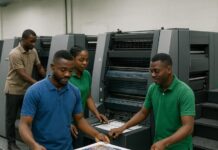
The past decade marked a turning point for digital printing in Nigeria. Advancements in production digital presses, wide-format inkjet systems, and finishing solutions expanded the scope of applications far beyond small office jobs. Printers began to integrate digital workflows into mainstream operations, often running hybrid production environments that combined offset and digital technologies.
This integration allowed print service providers to respond more effectively to changing market demands—shorter print runs, faster delivery timelines, and greater customization. Variable data printing, personalized marketing materials, and on-demand publishing became practical offerings rather than exceptions.
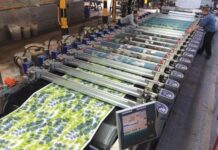
The growth of signage, indoor and outdoor graphics, also contributed significantly to digital printing’s expansion. Wide-format digital printers are now central to branding, retail display, event graphics, and advertising across the country.
Today, digital printing is firmly established as a strategic component of the Nigerian graphic arts industry. Several key trends are shaping its continued growth:
Clients increasingly prefer smaller quantities produced as needed, reducing inventory costs and waste. Digital printing is well-suited to this model, making it attractive to publishers, marketers, and SMEs.
Brand owners and corporate clients are leveraging personalization to improve engagement. Digital printing enables variable text, images, and codes within a single print run, adding measurable value to printed materials.
Rather than replacing offset printing, digital technology is complementing it. Many print firms now allocate jobs based on run length, turnaround time, and cost efficiency, optimizing overall production.
Automation in prepress, colour management, and job scheduling is improving efficiency and consistency. Digital workflows are helping printers reduce errors, speed up delivery, and manage costs more effectively. Despite its progress, digital printing in Nigeria faces notable challenges. High capital investment costs, dependence on imported consumables, power supply instability, and foreign exchange volatility continue to affect profitability. In addition, skills gaps remain, particularly in colour management, equipment maintenance, and digital workflow optimization.
For many small and medium-sized printers, access to finance remains a major barrier to upgrading or expanding digital capabilities. Addressing these challenges will require collaborative efforts involving industry associations, suppliers, financial institutions, and policymakers.
Prospects and the Road Ahead
The prospects for digital printing in Nigeria remain strong. As consumer markets expand, brand competition intensifies, and turnaround expectations shorten, demand for flexible and responsive print solutions will continue to grow. Packaging, labels, security printing, and customized publishing are expected to drive further investment in digital technologies.
Training and capacity development will be critical to sustaining growth. As equipment becomes more sophisticated, the industry’s ability to harness its full potential will depend on skilled operators and informed management decisions.
Ultimately, digital printing is no longer an optional add-on within the Nigerian graphic arts industry. It has become an essential tool for competitiveness, innovation, and long-term sustainability.
Printer’s Digest, the trusted voice and intelligence hub for Nigeria’s printing, publishing, and packaging industry, continues to document and analyze these developments, providing industry stakeholders with informed perspectives on the evolving landscape of print and graphic communications in Nigeria.