

In Nigeria, elections are more than political contests. They are economic seasons.
Across the country, entire industries experience temporary booms during election periods, transportation, media, advertising, event management, logistics, branding, and, most importantly, printing. From campaign posters covering city walls to giant billboards stretching across highways, the political season has always been one of the biggest revenue opportunities for Nigerian printers.
As the countdown toward the 2027 general elections slowly begins, many experienced players within the industry already understand what is coming. Political parties will soon begin consultations. Aspirants will launch campaigns. Support groups will emerge. Publicity machines will switch into full operation. And when that happens, billions of naira will flow into political communication materials.
For the printing industry, the race has already started.
But this time, the environment is different.
The Nigerian business climate is tougher, more competitive, and more expensive than ever before. Electricity costs continue to rise. Diesel prices remain unstable. The cost of imported paper, inks, plates, and machine components keeps climbing due to foreign exchange pressures. Customers demand faster delivery, higher quality, and lower prices, all at the same time.
In this environment, the 2027 election season will not automatically benefit every printer equally.
The businesses likely to win big are not necessarily the oldest or the biggest. They are the printers already repositioning themselves ahead of the political boom.
Across major printing hubs like Shomolu, Mushin, Aba, Kano, and Abuja, forward-thinking print entrepreneurs are quietly preparing for what may become Nigeria’s largest political printing season yet. They understand a simple truth: election printing is no longer just about owning machines. It is about strategy, speed, relationships, and operational efficiency.
One major area of repositioning is equipment modernization.
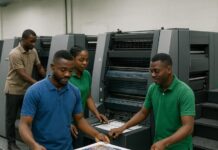
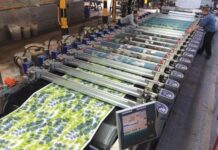
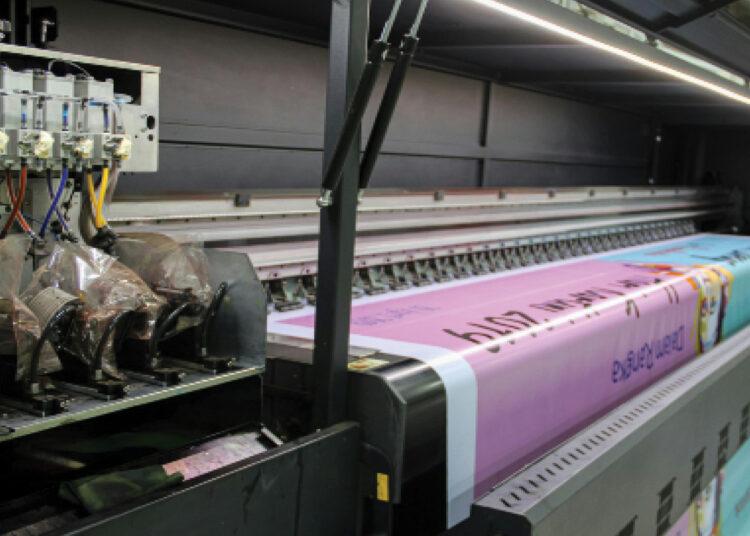
Political printing is highly time-sensitive. Campaign organizations often demand massive volumes within extremely short deadlines. Printers still operating outdated machines may struggle to meet the speed and finishing standards modern political campaigns now require. Today’s political clients want high-quality banners, sharper large-format prints, premium branded souvenirs, and visually appealing campaign materials that can compete both physically and online.
As a result, many printers are investing in digital production systems, automated finishing equipment, and faster large-format technology to increase turnaround capacity before the election rush begins.
Energy stability is another critical battleground.
Nigeria’s electricity crisis has become one of the biggest threats to profitability in the print industry. During election periods, production timelines become tighter, meaning power interruptions can lead to missed deadlines and lost contracts. Smart printers now understand that reliable energy is no longer optional; it is a competitive advantage.
This is why many businesses are gradually exploring hybrid energy solutions, including solar-supported operations and inverter systems, to reduce dependence on diesel generators. While the investment may appear costly initially, the long-term savings and operational stability can make the difference between profit and loss during peak political production periods.
But perhaps the biggest repositioning happening within the industry is relationship building.
Election printing is heavily driven by networks and trust. Political parties rarely hand major contracts to unfamiliar vendors. Campaign teams prefer printers they believe can deliver under pressure. This means printers who are already building relationships with political consultants, branding agencies, campaign coordinators, and media strategists may have stronger access to opportunities when the season fully begins.
For many smart businesses, repositioning has already moved beyond marketing. It now involves visibility within political and corporate circles.
At the same time, printers are diversifying their offerings beyond traditional posters and handbills. The modern political campaign is far more sophisticated than it was a decade ago. Candidates now require customized packaging, branded apparel, vehicle wraps, event backdrops, stage branding, promotional souvenirs, security materials, and high-end campaign merchandise.
This shift is creating new opportunities for printers willing to operate as complete branding and communication partners rather than ordinary print vendors.
The rise of social media has also changed the dynamics of political printing. Ironically, digital media has not reduced the importance of physical print; it has increased the need for visually striking materials. Campaign events today are designed not only for physical attendees but also for online visibility. Banners, podium branding, branded stages, and campaign merchandise are now produced with cameras and online engagement in mind.
In other words, print has become part of political storytelling.
Yet, amid the coming opportunities, there are also serious risks.
Many printers make the mistake of seeing election periods only as fast-money seasons. Some over-expand too quickly, take on unsustainable debt, or accept poorly structured contracts without payment protection. Others fail to manage production timelines effectively and damage long-term business relationships in the process.
The smartest printers are approaching 2027 differently.
Rather than chasing quick profits alone, they are using this period to build sustainable businesses. Profits from election jobs can be reinvested into better equipment, staff training, digital systems, energy infrastructure, and operational expansion. Printers who think long-term may emerge from the political season stronger and more competitive than before.
Another major area requiring attention is professionalism.
As competition intensifies, reputation will matter more than ever. Political organizations are increasingly looking for reliable vendors who can maintain confidentiality, deliver quality consistently, and manage large-scale production without excuses. Print businesses that prioritize customer service, transparent communication, and quality assurance will naturally stand out in a crowded market.
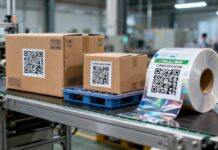
The industry must also prepare for increasing demand in security and sensitive printing. Election periods often require specialized production capabilities, from serialized materials to high-volume confidential printing jobs. Printers who invest early in security-conscious systems and quality control processes may unlock higher-value opportunities.
Importantly, younger entrepreneurs are also reshaping the future of the industry.
A new generation of Nigerian printers is entering the market with stronger digital skills, branding knowledge, and technology-driven business models. Many are leveraging social media, online ordering platforms, and creative branding solutions to attract clients beyond their immediate physical locations. This modernization is gradually transforming how print businesses operate in Nigeria.
Still, despite all the innovation and preparation, one reality remains unchanged: elections remain one of the printing industry’s biggest commercial opportunities.
The road to 2027 may be filled with economic uncertainty, rising operational costs, and fierce competition, but it may also become a defining period for businesses prepared to adapt. Those waiting until campaign season fully arrives may struggle to keep up. Those repositioning now may secure the biggest rewards.
Because in Nigeria’s printing industry, the election season is no longer just politics.
It is business.
And for the smart printer, the 2027 political boom may become the gold rush that reshapes the future of the industry for years to come.