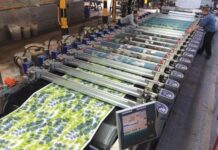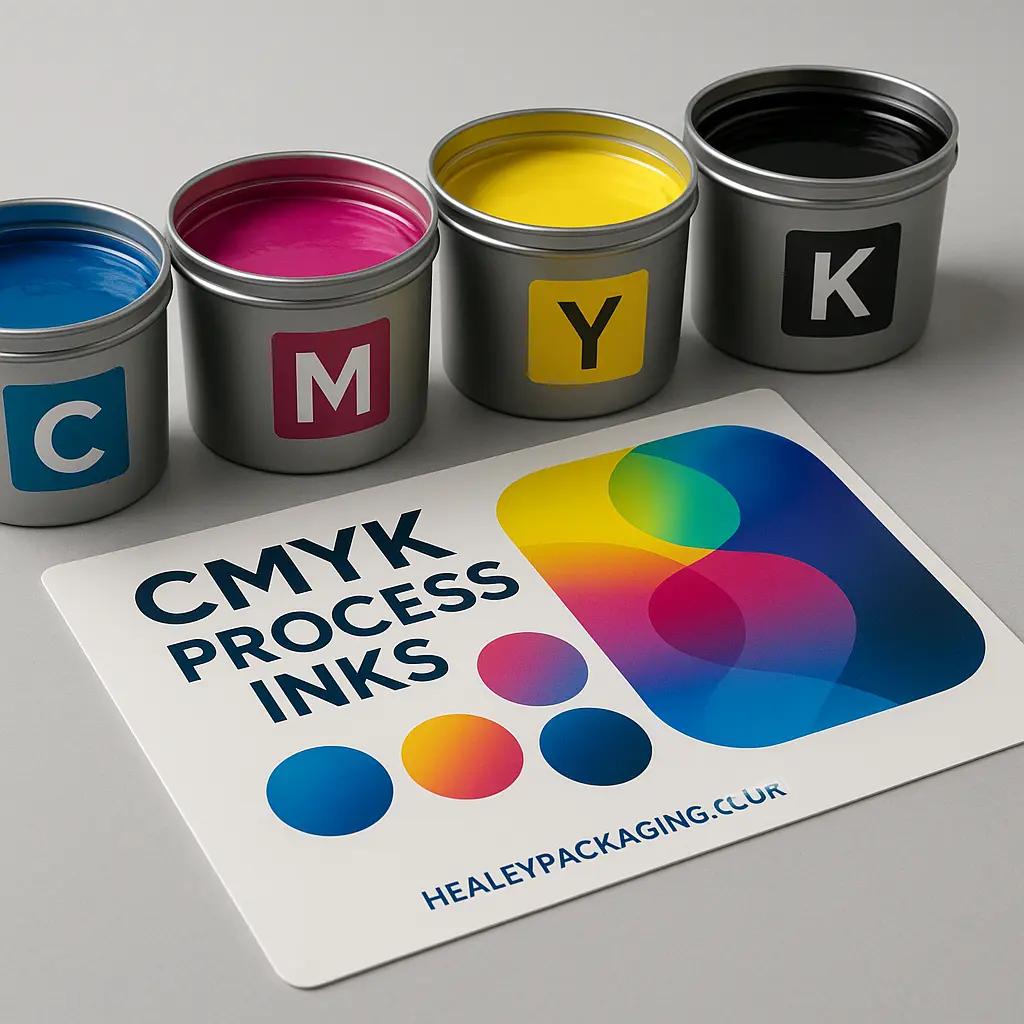


For Nigeria’s packaging and printing industry, ink is no longer just about producing vibrant colors or attractive packaging. Today’s inks are expected to do much more. They must help manufacturers meet growing sustainability expectations, perform consistently across different packaging materials, comply with emerging international regulations, and support recycling efforts in both local and export markets.
As more Nigerian manufacturers seek opportunities under the African Continental Free Trade Area (AfCFTA) and expand into international markets, the pressure to adopt globally accepted packaging standards continues to grow. Increasingly, the ink used on a package can determine not only how well it looks on the shelf but also whether it meets the environmental and regulatory requirements of overseas buyers.
This is driving a new wave of innovation in printing inks, offering converters greater production efficiency, improved product performance, and confidence that their packaging will remain compliant as global standards continue to evolve.
Developing Inks for Tomorrow’s Packaging Materials
Packaging materials are changing rapidly. Across the world, and gradually in Nigeria, brand owners are introducing recyclable paper packaging, fiber-based materials, mono-material plastics, and bio-based alternatives to reduce environmental impact.
To support this transition, ink manufacturers are developing new formulations using renewable pigments, plant-based ingredients, and other environmentally friendly raw materials. These next-generation inks are designed to adhere effectively to newer substrates without compromising print quality, durability, or color consistency.
For Nigerian converters, this means they can continue delivering high-quality packaging while helping customers meet sustainability targets and remain competitive in both domestic and export markets.
Cleaner Ink Systems for Safer Production
Another major shift is the move toward low-emission ink technologies.
Traditional solvent-based inks often release volatile organic compounds (VOCs), which contribute to air pollution and create less favorable working conditions inside printing plants. Newer ink systems are increasingly water-based, low-VOC, or formulated with renewable solvents that significantly reduce emissions without affecting production efficiency.
For Nigerian printers, these innovations offer several advantages. They improve workplace safety, reduce unpleasant odors on the factory floor, and position businesses to comply with the stricter environmental standards increasingly demanded by multinational brands and export customers.
Preparing for Changing Global Regulations
Environmental regulations affecting packaging continue to tighten across Europe, North America, and other major markets.
Many ink manufacturers are therefore removing substances such as PFAS and other persistent chemicals from their formulations long before regulatory deadlines take effect. By adopting these newer ink technologies early, converters reduce the risk of future compliance issues and minimize the need for costly product reformulations.
This is particularly important for Nigerian companies supplying packaging to multinational manufacturers or exporting finished products, where compliance with international standards is increasingly becoming a prerequisite for doing business.
Supporting Recycling Through Better Ink Technology
Recycling is becoming an important consideration throughout the packaging value chain.
Modern ink technologies are now being designed to make printed packaging easier to recycle. Certain formulations allow inks to separate more easily during the deinking process, enabling paper fibers and other materials to be recovered with higher quality for reuse.
Although Nigeria’s recycling infrastructure is still developing, manufacturers that adopt recyclable packaging today will be better positioned as government policies, consumer awareness, and private-sector investment continue to strengthen the country’s circular economy.
Reducing Energy Costs Through Smarter Ink Performance
Energy remains one of the biggest operating challenges facing Nigerian printing companies. With unreliable public electricity, rising diesel prices, and increasing production costs, every opportunity to improve efficiency matters.
Today’s advanced ink systems are engineered to dry faster and cure more efficiently, reducing the amount of energy required during production. Faster drying also allows presses to run more efficiently, improves turnaround times, and lowers operating costs.
For many Nigerian converters, these improvements translate into tangible business benefits: reduced fuel consumption, lower production expenses, increased productivity, and improved profitability.
Building a More Competitive Packaging Industry
As Nigeria’s packaging industry continues to evolve, the choice of ink is becoming a strategic business decision rather than simply a production requirement.
Converters that work closely with technology providers investing in advanced ink research and development will be better equipped to handle new packaging materials, support recycling initiatives, improve production efficiency, and comply with international environmental standards.
Ultimately, the future of packaging in Nigeria will not be shaped by attractive print alone. It will be defined by packaging that performs throughout its entire lifecycle, from production and distribution to recycling and environmental compliance. For forward-looking converters, investing in next-generation ink technologies is not merely about staying current; it is about building resilient businesses capable of competing in an increasingly sustainability-driven global marketplace.