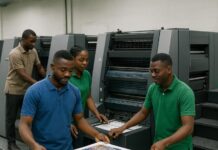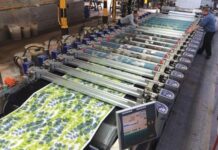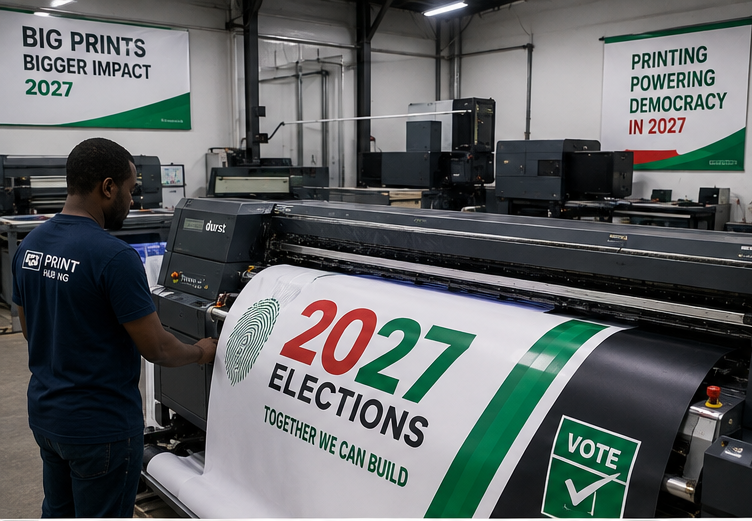


As Nigeria moves closer to the 2027 general elections, the printing industry is approaching another potentially busy election season. From campaign posters and banners to branded T-shirts, flyers, stickers and other political campaign materials, elections traditionally create demand for a wide range of printed products. For many printing businesses, this period presents an opportunity to attract new customers, increase production and generate additional revenue.
However, behind the anticipated demand lies a familiar challenge: the rising cost of doing business in Nigeria. High paper prices, expensive printing materials, unstable electricity supply, rising fuel costs, and pressure on profit margins continue to affect printing businesses. This raises an important question: will the 2027 elections provide Nigerian printers with an opportunity to grow, or will the challenges of meeting election-related demand outweigh the benefits?
The Election Season: A Market of Opportunities
Every election season brings a surge of activity in political communication and campaign publicity. Political parties, candidates, campaign organizations, and promotional agencies require printed materials to communicate their messages, establish visibility, and reach voters across different communities.
For printers, this creates opportunities across several areas of production. Large-format printing businesses may experience demand for billboards, banners, posters and campaign backdrops, while commercial printers may receive orders for flyers, handbills, stickers, brochures and branded stationery. Textile printing businesses may also benefit from orders for campaign T-shirts, caps and other promotional materials.
Beyond these familiar products, demand for packaging, branded souvenirs and event materials may also create opportunities for businesses that can diversify their services.
However, the benefits are unlikely to be evenly distributed. Printers with the equipment, workforce and production capacity to handle large orders may attract bigger contracts, while smaller operators may find opportunities in supplying campaign materials to candidates and political organizations within their local communities.
Rising Costs Could Eat into Profits
While the prospect of increased orders is encouraging, the cost of fulfilling them remains a major concern. Printing materials such as paper, ink, vinyl, flex banners and other consumables are exposed to price fluctuations, while electricity and generator fuel continue to add to production expenses.
For printers, the challenge is not simply securing orders but ensuring that those orders are profitable. A large campaign contract may appear attractive, but without proper costing, the expenses involved in materials, labor, transportation, and machine maintenance can significantly reduce the final profit.
There is also the issue of pricing. Political campaign clients may request bulk discounts or negotiate aggressively, particularly when dealing with large orders. Printers who agree to prices without carefully calculating their production costs risk completing substantial jobs with very little financial return.
Another concern is payment. Some printing businesses may be required to commence production before receiving full payment, exposing them to financial risks if clients delay settling their bills. For smaller printing businesses operating with limited working capital, such delays can disrupt daily operations and affect their ability to purchase materials for subsequent jobs.
Preparing for the Rush: What Printers Must Consider
The 2027 elections present an opportunity for printing businesses to prepare ahead rather than wait until campaign activities reach their peak. Early planning can make a considerable difference, particularly for printers expecting large orders within a short period.
Maintaining relationships with reliable suppliers, monitoring material prices and identifying alternative sources of essential consumables can help businesses prepare for fluctuations in demand. Printers should also review their production capacity, maintain their equipment and ensure that they have sufficient skilled personnel to handle increased workloads.
Diversification is another important consideration. Businesses that offer several printing services may be able to serve different campaign needs rather than depend on a single product category. Investing in digital and large-format printing capabilities, where commercially viable, may also enable printers to serve a broader range of customers.
Equally important is financial discipline. Clear quotations, agreed payment terms, deposits before production, and proper cost calculations can help reduce the risks associated with election-related contracts.
Beyond Elections: Building a Sustainable Business
While election-related printing can generate additional revenue, businesses should be careful not to build their entire growth strategy around a single season. Election demand is temporary, and the period after the polls may bring a sharp decline in orders for campaign materials.
Printers should therefore consider using the election season to establish relationships with new clients who may require printing services beyond political campaigns. These could include advertising agencies, event organizers, corporate organizations and small businesses.
There is also an opportunity to strengthen operational efficiency. Businesses that use the increased activity to identify production weaknesses, improve turnaround times and develop better customer service practices may find these improvements useful long after the elections.
With the presidential and National Assembly elections scheduled for 16 January 2027 and the governorship and State Houses of Assembly elections for 6 February 2027, the electoral calendar provides printers with important dates for planning their operations.
The Way Forward
The 2027 elections present Nigerian printers with both commercial opportunities and operational challenges. Increased demand could provide an additional source of revenue, but rising production costs, intense price competition and payment delays could limit the benefits.
Ultimately, the extent to which printing businesses benefit will depend on how well they prepare, manage their costs, and handle the demands of election-related production. The real opportunity lies not only in printing more campaign materials but also in using the season to build stronger businesses that can remain profitable when the election excitement fades.