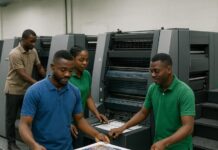
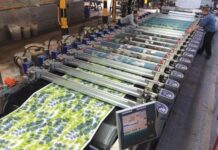
In the hum of every printing press lies a silent cost, one that has steadily grown louder, heavier, and more unforgiving. For many Nigerian printers, diesel is no longer just a line item; it is the defining factor between profit and loss. What was once a reliable backup power source has become the primary engine of production, dragging margins down and forcing difficult compromises on pricing, quality, and growth.
Yet, within this challenge lies an opportunity. The path away from diesel dependency is not merely about cutting costs; it is about reimagining how print businesses operate, compete, and thrive in a rapidly evolving economic landscape.
The Diesel Dilemma
Nigeria’s persistent power instability has made diesel generators the backbone of industrial activity. For printers, whose operations demand consistent, high-quality power, this reliance is even more pronounced. Offset machines, digital presses, and finishing equipment all require stable electricity. Any interruption risks not just delays but costly errors.
But diesel comes at a steep price. Fluctuating fuel costs, maintenance expenses, generator wear and tear, and logistical challenges collectively erode profitability. In some print shops, energy costs now account for up to 30–40% of total production expenses. This is not sustainable. It distorts pricing structures, reduces competitiveness, and limits the ability to reinvest in innovation.
The question, then, is no longer whether printers should move away from diesel, but how.
Rethinking Power as a Strategy, not a Utility
The most forward-thinking print businesses are beginning to treat energy not as a passive necessity but as a strategic asset. This shift in mindset is critical. Just as investments are made in presses, software, and talent, energy infrastructure must now be viewed through the same lens.
Solar power, once dismissed as impractical for heavy industrial use, is rapidly gaining ground. Hybrid energy systems, combining solar, battery storage, and minimal generator backup, are proving to be viable, cost-effective solutions. While the initial capital expenditure can seem daunting, the long-term savings are compelling. Over time, reduced fuel consumption, lower maintenance costs, and predictable energy expenses create a more stable financial foundation.
For printers operating in urban hubs like Lagos, where sunlight is abundant and electricity tariffs are rising, the case for solar adoption becomes even stronger. More importantly, it offers something diesel never can: control.
Efficiency: The Hidden Profit Engine
Escaping diesel dependency is not solely about switching energy sources. It also demands a rigorous look at how energy is used within the print workflow. Inefficiencies, often overlooked, can quietly inflate energy consumption.
Outdated machinery, poor maintenance practices, and unoptimized production schedules all contribute to unnecessary power usage. A press left idling between jobs, a finishing line running below capacity, or frequent machine recalibrations can collectively drain both energy and profit.
Modernizing equipment, even incrementally, can yield significant gains. Digital presses with energy-saving modes, automated workflows that reduce downtime, and smarter scheduling systems that batch similar jobs together all help to minimize waste. In this context, efficiency is not just operational; it is financial.
Collaboration Over Isolation
One of the most underexplored strategies in Nigeria’s print sector is collaboration. Many printers operate independently, each bearing the full weight of energy costs. But what if energy solutions could be shared?
Industrial clusters and print hubs present a powerful model. By pooling resources, printers can invest in larger, more efficient renewable energy systems that would be unaffordable individually. Shared infrastructure, whether for power, logistics, or even equipment, can significantly reduce overheads while fostering a more resilient ecosystem.
This approach also opens the door to partnerships with energy providers, financial institutions, and government initiatives aimed at supporting small and medium-sized enterprises. Access to financing, grants, or leasing options for renewable energy systems can accelerate the transition and reduce upfront burdens.
Pricing Power and Market Positioning
Breaking free from diesel dependency does more than cut costs; it strengthens market positioning. Printers with lower and more predictable energy expenses gain flexibility in pricing. They can offer more competitive rates, absorb market shocks, and invest in quality improvements without eroding margins.
There is also a growing, albeit gradual, shift in customer awareness. Sustainability is no longer a distant concept. Corporate clients, NGOs, and international organizations are increasingly attentive to the environmental footprint of their supply chains. A print business powered by cleaner energy can leverage this as a differentiator, attracting clients who value both quality and responsibility.
The Road Ahead: From Survival to Strength
The transition away from diesel is not without challenges. It requires capital, planning, and a willingness to embrace change. But the cost of inaction is far greater. Continuing on the current path means accepting shrinking margins, limited growth, and increasing vulnerability to external shocks.
The Nigerian print industry has always been resilient. From navigating economic downturns to adapting to digital disruption, it has repeatedly found ways to endure. Now, it stands at another turning point, one that demands not just resilience, but reinvention.
Powering profit in this new era will not come from working harder under the weight of diesel costs. It will come from working smarter, rethinking energy, embracing efficiency, and building systems that are not just functional but future-proof.
In the end, the presses will keep running. The question is whether they will run on a model that drains profit, or one that drives it.