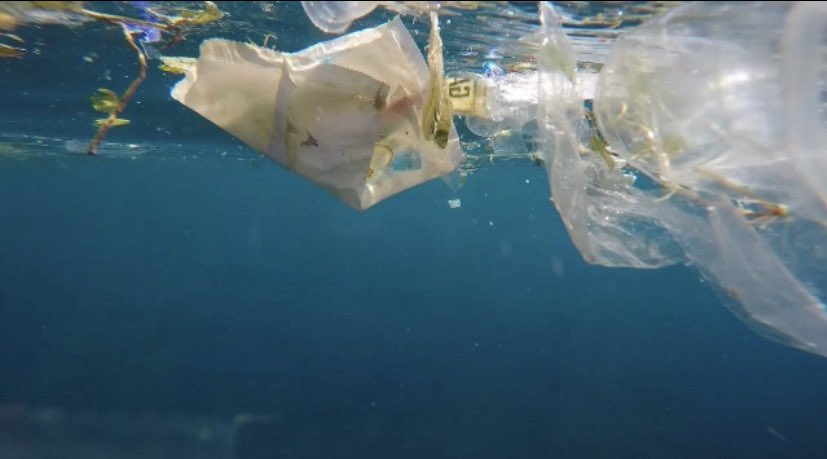


The project has a strong socio-economic focus, so in addition to providing expertise, funding and technology to bolster efforts to divert plastics waste from the environment, Dow and Wecyclers want to ensure that local communities in Africa are aware of the value these materials have and the income opportunities they can provide through collection, sorting and recycling. For example, the organisations ran an event in March in partnership with a social impact organization bringing together members of the community and local organisations to learn more about plastics recycling and actively take part in a clean-up exercise in Lagos Island, Lagos, kicking off a grassroots campaign to ensure more people collect and bring back their plastic water sachets.
Adwoa Coleman, Dow’s Africa Sustainability and Advocacy Manager for Packaging and Specialty Plastics said: “The reason we are so proud of Project REFLEX in Africa is that it addresses the full lifecycle of flexible plastic packaging – from production right through to use. Our hope is that the education, materials and support to the local communities and businesses in Nigeria, Egypt and Guinea, and potentially other African markets, received through the programme will result in long term sustainable collection for flexible packaging. At Dow, we see a circular economy thriving in the region if it is inclusive of the people who are already doing this hard work on the ground to enable it and that is exactly what we are trying to do through Project REFLEX in Africa.”
By collaborating with individuals and organizations that are already supporting waste management infrastructure and recycling, Project REFLEX is driving and scaling local, sustainable solutions for Nigeria, Egypt and Guinea. This project is aligned to Dow’s global STOP THE WASTE sustainability target which will enable the collection, reuse or recycling of one million metric tons of plastic globally by 2030.