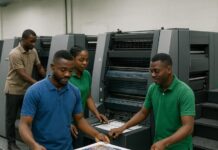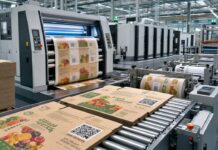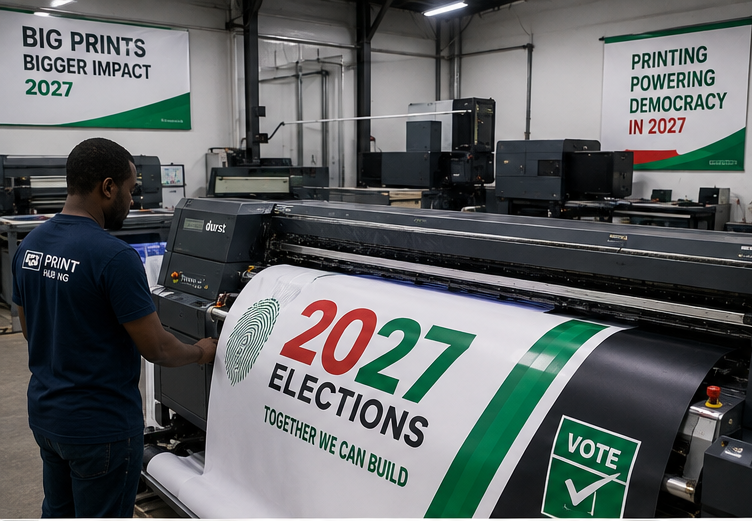


For generations, the Nigerian election season has had a familiar soundtrack: the hum of printing machines, the smell of fresh ink, bundles of flyers being packed into vehicles, and walls gradually disappearing beneath layers of campaign posters.
But as Nigeria moves towards the 2027 general elections, the opportunity for the printing industry is becoming much bigger than posters.
The election economy is expanding into a wider ecosystem of branding, packaging, textiles, signage, vehicle wraps, souvenirs, event production, digital printing and visual communication. Recent activity in Kano, for example, shows growing demand not only for posters and banners but also for T-shirts, caps, stickers, vehicle branding and souvenirs. For Nigerian printers, this should trigger an important rethink: Are we preparing merely to print campaign materials, or are we preparing to become strategic partners in the political branding economy?
The Campaign Is No Longer a Paper Business
Walk into a political event today, and the campaign experience extends far beyond a poster on a wall. There are branded stages, backdrops, directional signs, podium graphics, T-shirts, caps, umbrellas, stickers, vehicle graphics, invitation cards, programmes, ID cards, banners and social-media content working together to create one visual identity.
That means the printer of tomorrow’s election economy cannot afford to see every job as an isolated print order.
A candidate may need thousands of flyers, but that same candidate may also need branded vehicles, constituency-specific banners, campaign merchandise, event materials and directional signage. Political organizations increasingly need vendors capable of coordinating several of these requirements under one roof.
This creates an opportunity for printers to move from being suppliers of print to becoming providers of integrated campaign branding solutions.
And the market is already showing signs of this shift. Nigerian reporting on the pre-election season indicates that political clients are commissioning coordinated branding packages covering event backdrops, banners, souvenirs and vehicle branding, with businesses investing in equipment and partnerships to meet the demand.
Large Format Is Just the Beginning
Large-format printing will undoubtedly remain one of the major beneficiaries of election spending. But printers should look beyond the familiar banner-and-poster combination.
Think about a campaign rally.
There is the stage backdrop. There are entrance signs. There are directional boards. There are branded tents. There are vehicle wraps. There are media walls. There are campaign shirts and caps. There are stickers and handbills. There may be programmes, accreditation cards and constituency-specific materials.
Suddenly, what looked like one printing job becomes a complete production ecosystem.
For printers, this means developing packages rather than simply quoting individual items.
Instead of asking, “How much is 5,000 flyers?”, the smarter question may become, “What does this candidate need to successfully brand a 2,000-person campaign event?”
That change in thinking can transform the value of the printer-client relationship.
The Textile Opportunity
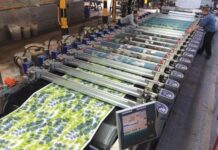
Election printing is also becoming increasingly connected to textile production.
The political T-shirt, cap and branded fabric are not new to Nigerian campaigns, but their commercial significance is growing. As demand increases, printers with access to garment printing, embroidery, heat transfer, sublimation and related technologies can participate in a market that extends beyond politics into schools, churches, businesses, events, associations and fashion brands.
This is where diversification becomes particularly important.
A printer who acquires textile capability solely for the 2027 election season may struggle when political demand falls. But a printer who uses election demand to build a year-round textile and branding business has created a more sustainable asset.
The same principle applies to vehicle branding.
Campaign vehicles may disappear from the streets after an election, but businesses, logistics companies, restaurants, real estate firms and corporate organizations continue to require vehicle graphics throughout the year. The election should therefore be viewed not only as a market, but as an opportunity to build capabilities that remain valuable after the ballots are counted.
From Printing to Campaign Infrastructure
The biggest opportunity may actually be in integration. Political clients are often working under pressure. They want speed. They want consistency. They want one visual identity across different locations and materials. And they want suppliers who can deliver without excuses.
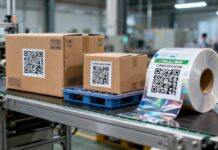
This places a premium on printers who can combine design, production, finishing, installation, inventory management and logistics.
Imagine a political organization preparing for a rally in Lagos while simultaneously organizing meetings in Ibadan, Kano and Abuja. The challenge is no longer simply producing 20,000 posters. It is ensuring that the right materials reach the right locations, in the right quantities, with consistent colors, messages and branding.
That is a logistics problem as much as it is a printing problem.
Printers who build reliable networks of designers, fabricators, installers, transport providers and finishing specialists can compete for larger and more complex contracts.
But Bigger Opportunity Also Means Bigger Responsibility
The election boom comes with risks.
Printers must understand that not every political job is automatically a good job. Payment delays, last-minute artwork changes, material price increases, and urgent production deadlines can quickly turn a large contract into a financial headache.
There is also the question of compliance.
Political advertising and campaign materials are subject to electoral and local signage requirements, and some states have introduced specific guidelines and permit structures for political outdoor advertising ahead of 2027.
For printers, therefore, professionalism must go beyond producing good-looking materials. It should include proper documentation, clear quotations, deposits, production schedules, approval processes and awareness of applicable regulations.
The Printer’s Biggest Opportunity May Come After 2027
This is perhaps the most important point.
The real success story will not be the printer who produces the largest pile of election posters. It will be the printer who uses the election boom to build a stronger company.
A new large-format machine can serve political campaigns today and corporate branding tomorrow. A textile printer can produce campaign shirts this year and uniforms, fashion products and promotional merchandise next year. A vehicle-branding capability can serve candidates during elections and businesses long after the campaign trucks have disappeared.
The election can provide the cash flow, exposure and customer relationships needed to build these capabilities.
But printers must think beyond the immediate order.
Nigeria’s 2027 election cycle is already creating increased activity across printing and branding businesses, with operators reporting demand for a wider range of campaign materials and services. The question is no longer whether there will be an election-related print opportunity. The bigger question is who will be prepared to capture the opportunity profitably and convert it into sustainable growth?
The future belongs to printers who understand that ink is only one part of the business.
The new election print economy is about visibility, experience, branding, logistics, technology and speed. The poster may still be on the wall, but the real opportunity is everything happening around it.