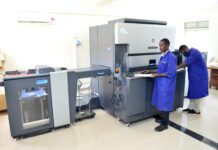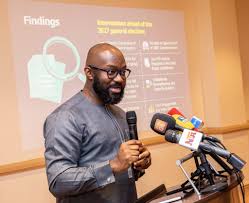


In Nigeria’s fast-evolving media ecosystem, where hashtags trend and videos go viral within minutes, one might assume that print has faded into irrelevance. Yet, as the nation steadily approaches the pivotal 2027 general elections, a different reality is emerging—one in which print media is not just surviving but strategically repositioning itself as a force of credibility, depth, and democratic influence.
This is the story of how ink—steady, deliberate, and enduring—is once again becoming influential.
Beyond Headlines: Print as the Custodian of Credibility
The media have long shaped Nigeria’s electoral history. From the return to democracy in 1999 to the fiercely contested 2023 elections, newspapers have played a central role in shaping public discourse, informing voters, and scrutinizing power. Studies consistently affirm that print media enhances electoral credibility by providing structured, verifiable, and archival information that citizens can trust.
During the 2023 elections, leading Nigerian newspapers such as Punch, Vanguard, and The Guardian demonstrated the enduring power of print through extensive coverage, bold headlines, editorials, and in-depth analysis. Their reporting didn’t just inform—it framed national conversations and shaped political perception.
In a time when misinformation can spread in seconds, print media’s editorial rigor and gatekeeping function have become more valuable than ever.
Lessons from 2023: Trust, Tension, and Transformation
The 2023 elections revealed both the strength and the strain within Nigeria’s media landscape. While print outlets delivered depth and structure, there was widespread public dissatisfaction with how some media platforms—especially across formats—handled election coverage, with concerns around bias and ethical lapses.
Simultaneously, the digital explosion changed the rules of engagement. Social media galvanized youth participation, amplified political movements, and challenged traditional media dominance.
But it also introduced a dangerous counterweight: misinformation at scale. False narratives, doctored videos, and manipulated content flooded the information space, sometimes even seeping into mainstream channels.
This duality—engagement versus distortion—has created a vacuum. And print media is uniquely positioned to fill it.
2027 in Focus: Regulation, Responsibility, and Relevance
As Nigeria prepares for the 2027 elections, the regulatory environment is tightening.
Recent directives from the National Broadcasting Commission (NBC) aim to curb divisive content, enforce neutrality, and reduce the spread of inflammatory political material across broadcast platforms.
At the same time, electoral reforms—such as the push for real-time transmission of results—signal a broader institutional effort to rebuild trust in the democratic process.
Within this context, print media is emerging as a stabilizing force—less vulnerable to the volatility of real-time broadcasting and better suited for measured, investigative, and contextual reporting.
The Strategic Advantage of Print in 2027
Print media’s renewed relevance lies in its strategic strengths:
1. Depth Over Speed
While digital media thrives on immediacy, print offers reflection. Election coverage in newspapers provides context, historical comparison, and expert analysis—critical for informed decision-making.
2. Credibility and Permanence
Printed words carry weight. Unlike ephemeral digital posts, print creates a permanent record—an essential tool for accountability in a democracy.
3. Agenda Setting Power
Front-page placement, editorial tone, and investigative features influence what voters think about—not just what they think. Media scholars have long emphasized that prominence in print signals importance.
4. Regional Penetration
In many parts of Nigeria where internet access remains inconsistent, print still serves as a primary source of political information.
5. Campaign Strategy Tool
Political actors continue to rely on print for legitimacy—through advertorials, endorsements, and policy communication targeted at elite and decision-making audiences.
Print Meets Digital: A Hybrid Future
The future of print in Nigeria is not isolation—it is integration.
Forward-thinking print organizations are embracing hybrid models:
• Print + QR codes linking to multimedia content
• Data-driven infographics that simplify complex electoral issues
• Special election supplements combining journalism with civic education
• Cross-platform storytelling that begins in print and extends online
This convergence allows print to retain its authority while expanding its reach.
Challenges Ahead: Ownership, Independence, and Survival
Despite its strengths, print media faces significant challenges heading into 2027:
• Political Influence & Ownership Pressure: Editorial independence remains a concern, with some outlets subject to political or corporate control.
• Declining Circulation vs Rising Costs: Economic realities threaten sustainability.
• Competition with Free Digital Content: Monetization remains a struggle.
• Trust Deficit from Past Elections: Rebuilding public confidence is critical.
To remain relevant, print must double down on investigative journalism, ethical reporting, and audience trust.
From Ink to Influence: The Road to 2027
Nigeria’s 2027 elections will not just be a political contest—they will be an information battle.
In that battle, print media holds a unique position:
Not the loudest voice, but perhaps the most trusted.
Not the fastest platform, but arguably the most thoughtful.
As digital noise intensifies, the quiet authority of print may prove to be its greatest strength.
Because in the end, democracy does not only depend on what people hear—it depends on what they believe.
And belief, in Nigeria’s evolving electoral landscape, may once again be written in ink.